|
Product Details:
|
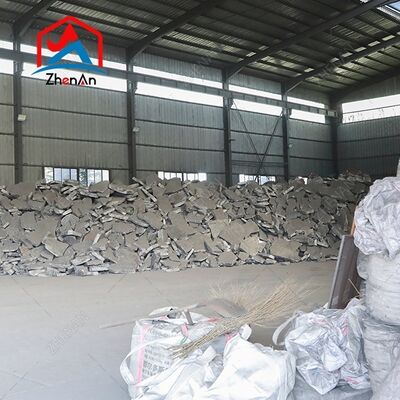
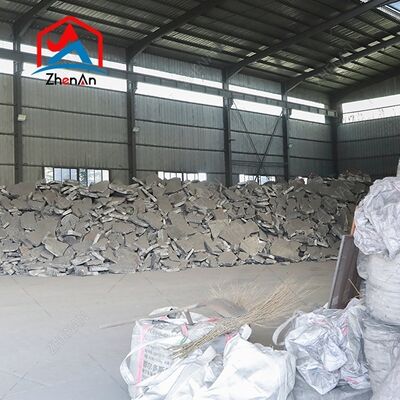
| Material: | Ferro Silicon Magnesium | Color: | Gray |
|---|---|---|---|
| Chemical Compostion: | Si Fe Al S P | Shape: | Lump |
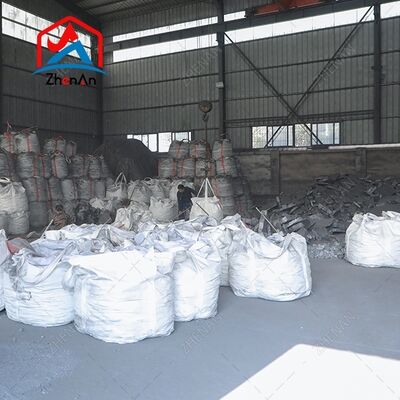
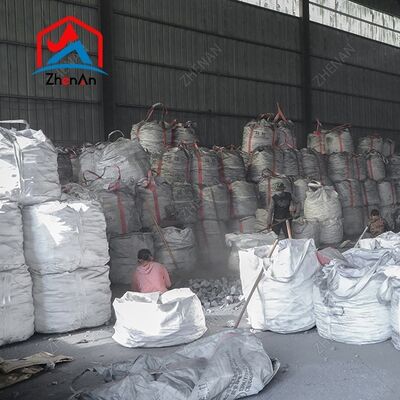
| Packing: | In 1MT Big Bags | Application: | Steel Making |
| Highlight: | FeSiMg 6% for ductile iron,Magnesium Ferrosilicon 7% casting,Ferro Silicon Magnesium alloy |
||
Pipe plants pour continuously for hours, and every metre of pipe carries the same promise: a wall that will bend before it breaks. That promise depends on residual magnesium staying inside a narrow band from the first heat of the shift to the last. Magnesium ferrosilicon FeSiMg 6% 7% is the alloy most pipe plants standardise on because it holds enough magnesium to survive centrifugal casting without pushing the residual so high that dross and shrinkage appear. The 6% level covers smaller diameters and shorter holding; the 7% level is kept for thick-wall and large-diameter runs, where the metal waits and the section cools slowly.
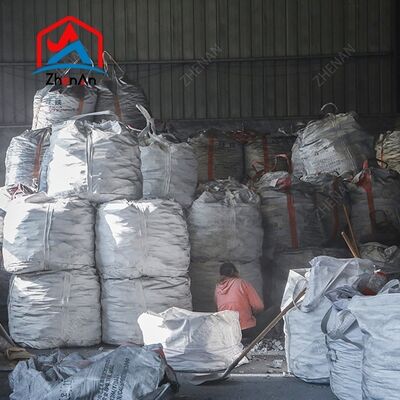
Pipe plants buy in a rhythm, not in single lots, so the supply format has to match the crane and the charging bucket rather than the purchasing clerk's preference. ZhenAn screens the lump to the cut a plant orders and ships it in the same format contract after contract, which is what lets a pipe mill plan a treatment campaign without re-checking every bag. Material arrives as screened lump, usually 10-50 mm for a plunger station and 5-20 mm where the ladle is smaller, packed in 1000 kg jumbo bags that a crane can lift straight to the charging bay. Plants without a crane take 25 kg woven bags on pallets.
Fresh alloy has a grey, even break with no dust in the bag. A lot that arrives with white patches or crumbled corners has taken water somewhere between the works and the bay, and it will lose magnesium during treatment. Store under cover, keep bags closed until the heat is weighed, and rotate stock so the oldest lot is used first. Delivery on this site is quoted at 7-14 days from advance payment, which a plant running a continuous schedule should build into its reorder point rather than treat as a shipping detail.
| Item | FeSiMg6Re1 | FeSiMg7Re1 | FeSiMg7Re3 |
|---|---|---|---|
| Mg (%) | 5.0-7.0 | 6.0-8.0 | 6.0-8.0 |
| Re (%) | 0.5-1.5 | 0.5-1.5 | 2.0-4.0 |
| Si (%) | 45.0 min | 45.0 min | 45.0 min |
| Ca (%) | 2.0-3.0 | 1.0-1.5 | 2.0-3.5 |
| Al (%) | 1.0 max | 1.0 max | 1.0 max |
The three grades share silicon and the aluminium ceiling and differ in magnesium band, calcium and rare earth. Silicon is written as 45.0% minimum, the GB/T 4138-2015 floor for this group, with normal delivery at 45-48%. For pipe work the magnesium band is the controlling line: a wall section that solidifies slowly consumes more magnesium before the graphite has finished growing, and residual measured at the spout can look healthy while the inner wall has already gone flaky. Thick-wall runs therefore tend toward the 7% grades, and thin-wall runs toward the 6% level. Pipe plants usually work to a residual of 0.035-0.045% at the spout and pour at about 1400-1420 °C.
What the table cannot show is lot-to-lot spread. Two containers of FeSiMg7Re1 can sit at opposite ends of 6.0-8.0%, and a plant that adjusts its alloy weight once per contract rather than once per lot will see residual drift it cannot explain. Read every certificate, plot the magnesium figure against the heat number, and the pattern becomes visible within a week.
Centrifugal pipe is the headline application, but the same material serves the fittings, joints and heavy industrial castings that surround a pipe programme.
A pipe plant that also casts fittings should not run two unrelated treatment practices. One alloy family, one certificate format and one charge calculation keep the metallurgy consistent across the whole works.
Start with the magnesium band and the fraction, because those two decide the treatment response. Then fix the packing, the tonnage per shipment and the reorder point that keeps the station fed between vessels. Ask for the certificate format in advance so the receiving inspection can be written before the first container lands.
Two less obvious items belong in the file. First, the size tolerance: pipe plants that charge by bucket notice oversize lump because it bridges in the hopper. Second, the sampling method behind the certificate, since a grab sample from the bag top does not represent a container. Delivery runs 7-14 days from advance payment, and payment terms are agreed per order rather than fixed in advance.
Magnesium leaves the iron at the surface and in the slag. Long holding, thin slag and high temperature all speed the loss.
It gives more reserve, but over-treatment produces dross and shrinkage in the bore. The right answer comes from a sectioned test, not from the grade name.
1000 kg jumbo bags are the usual format for pipe plants; 25 kg bags are available where no crane serves the bay.
Compare certificates lot by lot against the same window, then compare the fraction and the fines level.
It supports deoxidation and helps the reaction settle; the certificate should state it.
The site quotes 7-14 days from advance payment, so add inland transport and unloading to that figure.
Send the pipe diameter range, the wall classes, the treatment method and the monthly tonnage to sales@zaferroalloy.com. For a running programme where a vessel date is already fixed, the WhatsApp line +86 15518824805 confirms availability the same day. The offer that follows lists the magnesium band, the allowed size tolerance and the loading cut-off, so the mill can plan its next treatment campaign around it.
Contact Person: Mr. xie