logo
Home ProductsFerro Vanadium

FeV Alloy 70% 80% for Tool Steel Manufacturing Wear Resistant Steel and Industrial Applications

I'm Online Chat Now

FeV Alloy 70% 80% for Tool Steel Manufacturing Wear Resistant Steel and Industrial Applications

FeV Alloy 70% 80% for Tool Steel Manufacturing Wear Resistant Steel and Industrial Applications
FeV Alloy 70% 80% for Tool Steel Manufacturing Wear Resistant Steel and Industrial Applications FeV Alloy 70% 80% for Tool Steel Manufacturing Wear Resistant Steel and Industrial Applications FeV Alloy 70% 80% for Tool Steel Manufacturing Wear Resistant Steel and Industrial Applications FeV Alloy 70% 80% for Tool Steel Manufacturing Wear Resistant Steel and Industrial Applications FeV Alloy 70% 80% for Tool Steel Manufacturing Wear Resistant Steel and Industrial Applications

Large Image :  FeV Alloy 70% 80% for Tool Steel Manufacturing Wear Resistant Steel and Industrial Applications

Product Details:
Place of Origin: China
Brand Name: ZHENAN
Certification: ISO9001:2015
Model Number: FeV
Payment & Shipping Terms:
Minimum Order Quantity: Negotiable
Price: Negotiable
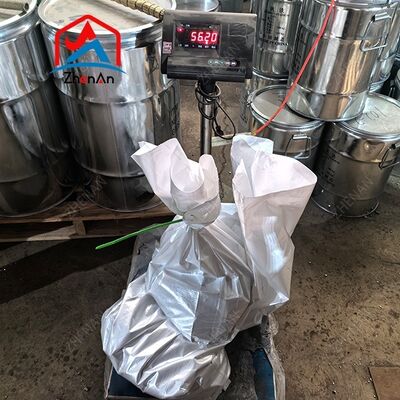
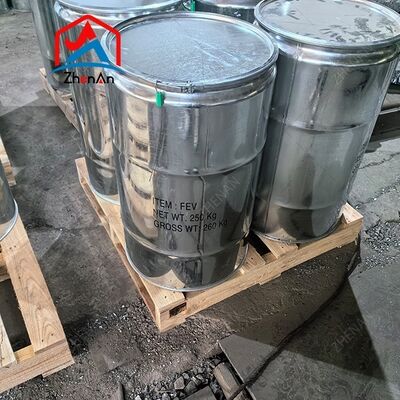
Packaging Details: 1MT big bag or as per customer request
Delivery Time: 7-10 work days after received the payment
Payment Terms: L/C,T/T,Western Union
Supply Ability: 2000MT/per Month

FeV Alloy 70% 80% for Tool Steel Manufacturing Wear Resistant Steel and Industrial Applications

Description
Vanadium Content: 78-82% Melting Point: 1887ºC
Boiling Point: 3337ºC Form: Lump / Solid Alloy
Size Range: 10-50 Mm Main Composition: Fe + V
Highlight:

FeV Alloy 70% Tool Steel

,

FeV Alloy 80% Wear Resistant Steel

,

Ferro Vanadium Industrial Applications

Why Tool Steel Manufacturing Relies on 70% and 80% FeV Alloy

Tool steel is fundamentally a vanadium story. Vanadium carbides deliver the secondary hardening, temper resistance, and wear life that define cutting and forming steels — and the higher the FeV alloy grade, the cleaner and more precise that vanadium addition becomes. A 70% vanadium alloy provides concentrated vanadium at moderate cost, while the 80% grade pushes the balance further: less iron per kilogram of vanadium, tighter addition arithmetic, and chemistry suited to steel grades holding vanadium at 2% and above. ZhenAn supplies both grades from Henan as lump material, ready for the induction or electric furnace feeding the tool steel shop.

Physical Form and Supply Specifications of High-Grade FeV Alloy

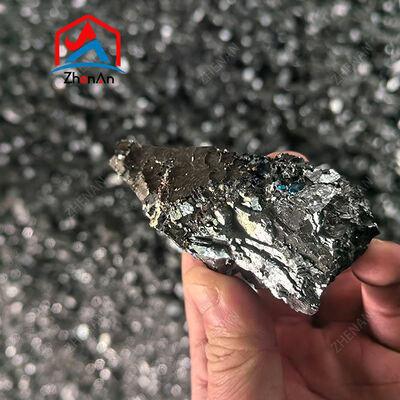
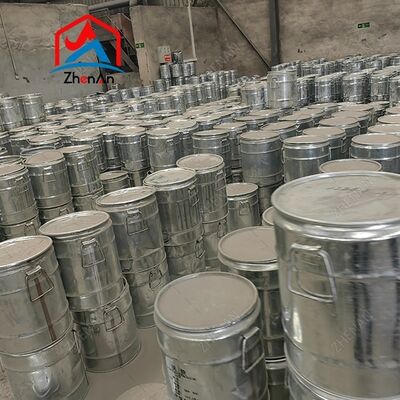
The material ships as lump — a solid, silvery alloy broken to the standard 10–50 mm sizing window. Packing runs in 1 MT big bags, with customer-specific arrangements available on request. Monthly program capacity reaches 2,000 MT, and dispatch moves 7–10 working days after payment clears. Payment is accepted via L/C, T/T, or Western Union. Each released lot carries a Certificate of Analysis (COA) and Safety Data Sheet (SDS), backed by an ISO 9001:2015 quality system at the works.

FeV 70% vs. FeV 80%: Chemistry Comparison

The 80% grade maps to FeV80-A under GB/T 4139-2012, with the following typical specification:

Element FeV80-A (GB/T 4139-2012) FeV 70% (Trade Grade)
Vanadium (V) 78.0–82.0% 70.0% min
Carbon (C) 0.15% max By agreed specification
Silicon (Si) 1.5% max By agreed specification
Phosphorus (P) 0.05% max By agreed specification
Sulfur (S) 0.04% max By agreed specification
Aluminum (Al) 1.5% max By agreed specification
Manganese (Mn) 0.50% max By agreed specification
Melting Point ~1887°C —

The 70% grade is a trade specification rather than a GB/T table entry — vanadium runs at 70% minimum, with impurity ceilings set by agreed specification. Tool steel buyers typically write tight limits on carbon and phosphorus. In practice, the choice between 70% and 80% FeV comes down to how much iron the heat can accept alongside each kilogram of vanadium.

Wear-Resistant and Industrial Applications for FeV Alloy

Tool steel is the anchor application, but the same two grades serve a wider field of demanding duties:

  • Wear-resistant plate for mining and earthmoving equipment
  • Hot work and cold work die steels requiring temper resistance
  • High-speed steel variants where vanadium carbides carry the cutting edge
  • Agricultural wear parts exposed to abrasive service
  • Industrial components specified for abrasion resistance

Anywhere hardness must survive contact and wear, a concentrated vanadium addition is part of the recipe.

Key Questions for FeV Alloy Buyers to Settle First
  1. What vanadium content does each tool steel grade actually target?
  2. Should the addition come from the 70% alloy or the 80% grade for that heat?
  3. Which carbon ceiling can the grade tolerate in the alloy itself?
  4. Does the melt practice require a specific lump fraction for optimal recovery?
  5. What documents does the quality system require per lot?
  6. How will the tonnage phase across the delivery calendar?
Frequently Asked Questions: FeV 70/80 Supply
Q: Is the 70% grade a standard table grade?

It is a trade grade with vanadium at 70% minimum; impurity limits are agreed and certified per lot.

Q: Where does the 80% grade come from in the standard?

FeV80-A under GB/T 4139-2012, vanadium 78.0–82.0% with the tightest ceilings in the table.

Q: How is carbon controlled?

0.15% maximum in the A-grade 80 material; tighter by agreement where the tool steel demands it.

Q: What sizing ships?

Standard lump at 10–50 mm; alternative sizing quoted on request.

Q: What is the lead time?

7–10 working days after payment clears.

Q: Can small trial lots be arranged?

Trial volumes are handled case by case with the sales desk.

How to Request a ZhenAn FeV Alloy Quote
  1. Name the tool steel grades and their vanadium targets.
  2. State the grade split between 70% and 80% material.
  3. Add the tonnage per delivery and discharge port.
  4. Attach any special impurity ceilings for review.
  5. Request a current COA with the offer.

Quotes move fastest by WhatsApp at +86 15518824805; formal documents go to sales@zaferroalloy.com. Desk hours are 8:00–23:00 Beijing time.

Contact Details
Zhenan Metallurgy Co., Ltd

Contact Person: Mr. xie

Send your inquiry directly to us (0 / 3000)