Silicon Carbide 80% & 85% Granules for Metallurgical Applications
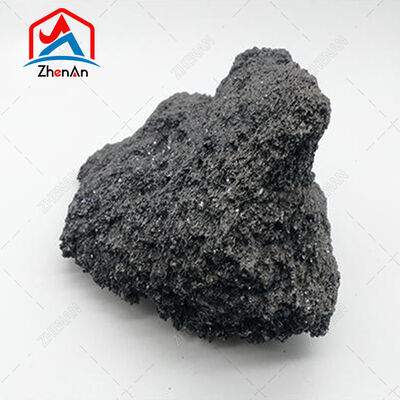
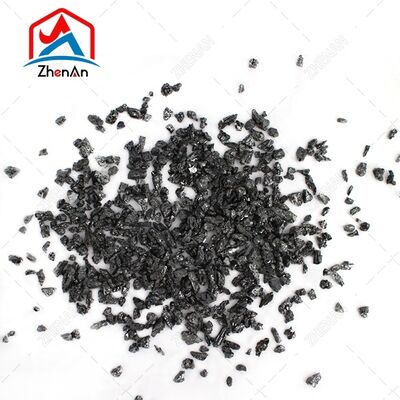
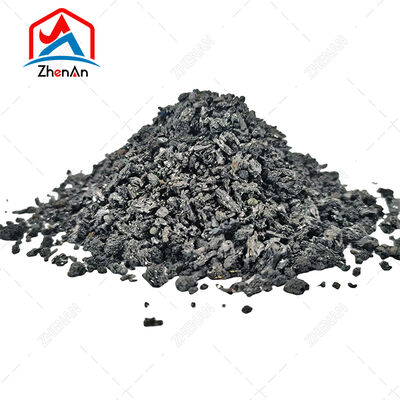
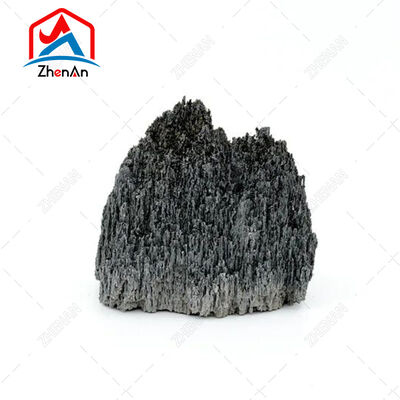
Silicon Carbide 80% and 85% granules are specialized metallurgical additives designed for steelmaking, cast-iron production, and molten-metal processing applications. These granules provide both silicon and carbon from a single material source, making them efficient for deoxidation and alloying processes.
Product Specifications
| Item |
SiC 80% Granules |
SiC 85% Granules |
| SiC Grade |
80% |
85% |
| Form |
Granules |
Granules |
| Main Function |
Si/C addition, deoxidation |
Si/C addition, deoxidation |
| Steelmaking |
Applicable |
Applicable |
| Cast Iron |
Applicable |
Applicable |
| Metallurgical Processing |
Applicable |
Applicable |
| Particle Size |
Application-specific |
Application-specific |
Chemical Composition & Size Specifications
The 80% and 85% grades represent distinct SiC-content specifications. Chemical purchasing specifications should clearly identify SiC content and controlled impurities including free carbon, oxides, iron, sulfur, phosphorus, and moisture.
Available Particle Sizes
Granular SiC is available in various particle sizes for controlled addition. Typical metallurgical grain sizes include 0-10 mm and 1-10 mm, while 85% commercial material is also available in 10-50 mm sizes. The optimal size should be selected based on furnace charging equipment and treatment method requirements.
Key Functions & Applications
Metallurgical Functions
- Provides silicon and carbon for melt chemistry adjustment
- Acts as deoxidizing additive in steelmaking processes
- Contributes to recarburization and carbon adjustment
- Influences carbon and silicon balance in cast iron production
Primary Applications
- Steelmaking: Deoxidation, silicon addition, and carbon adjustment
- Cast Iron: Induction and cupola furnace processes
- Molten Metal Treatment: Charging through suitable treatment systems
- Metallurgical Processing: Combined silicon and carbon source applications
Product Comparison
| Factor |
SiC 80% Granules |
SiC 85% Granules |
| SiC Content |
80% |
85% |
| Form |
Granules |
Granules |
| Steelmaking |
Applicable |
Applicable |
| Cast Iron |
Applicable |
Applicable |
| Deoxidation |
Applicable |
Applicable |
| Carbon Addition |
Applicable |
Applicable |
| Selection Focus |
Grade, size and chemistry |
Grade, size and chemistry |
The primary distinction between grades is SiC content. Final grade selection should be based on target melt chemistry and specific chemical requirements.
Procurement Specifications
For procurement, specify the following parameters:
- SiC grade (80% or 85%)
- Granular size requirements
- Chemical impurity limits
- Moisture specifications
- Furnace type and charging method
- Target silicon and carbon levels
- Required quantity and packing
Quality & Documentation
Chemical specifications clearly distinguish between 80% and 85% grades with defined impurity limits. Certificate of Analysis (COA) documentation records lot-specific analysis, while Safety Data Sheets (SDS) and packing information support proper handling and logistics.
Packing & Delivery
Granular SiC is packed in heavy-duty bags or bulk bags according to shipment quantity and handling requirements. Packing configuration is determined based on particle size, loading equipment, and destination specifications.
Frequently Asked Questions
What is SiC 80% granule?
A metallurgical silicon carbide granule grade containing nominal 80% SiC specification.
What is SiC 85% granule?
A higher SiC-content metallurgical granule grade used in steel and foundry applications.
Can SiC granules be used in steelmaking?
Yes, metallurgical SiC is used in steelmaking for deoxidation and Si/C adjustment.
Can SiC granules be used for cast iron?
Yes, SiC is used in cast-iron production as a combined silicon and carbon additive.
What particle sizes are available?
Standard sizes include 0-10 mm and 1-10 mm, with 85% products also available in larger sizes such as 10-50 mm.
How do I select 80% versus 85%?
Compare required SiC input, target melt chemistry, impurity limits, and furnace practice requirements.


 Your message must be between 20-3,000 characters!
 English