Metallurgical Silicon Carbide Granules for Steelmaking
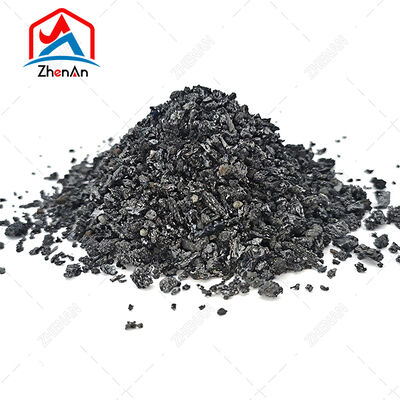
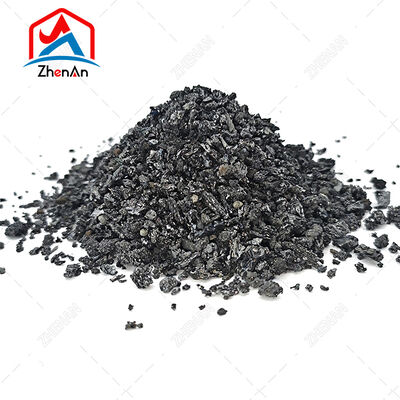
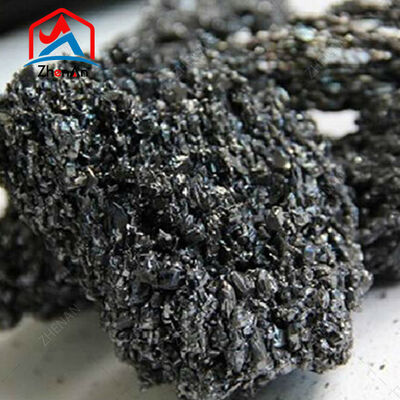
SiC 75% and SiC 80% silicon carbide granules are specialized metallurgical additives used in steelmaking, foundry production, and molten-metal treatment processes. These granules supply both silicon and carbon to the melt, participating in deoxidation, recarburization, and furnace treatment operations.
Product Specifications
| Specification |
SiC 75% Grade |
SiC 80% Grade |
| Product Type |
Metallurgical Silicon Carbide Granules |
Metallurgical Silicon Carbide Granules |
| SiC Content |
75% grade |
80% grade |
| Form |
Granules |
Granules |
| Primary Function |
Silicon and carbon addition, deoxidation |
Silicon and carbon addition, deoxidation |
| Applications |
Steelmaking, foundry, furnace treatment |
Steelmaking, foundry, furnace treatment |
Chemical Composition
The principal specification is SiC content, with metallurgical grades typically ranging from 70% to 90% SiC depending on application requirements. For SiC 80%, typical industry specifications include SiC ≥80%, SiO₂ ≤10%, free carbon ≤10%, Fe₂O₃ ≤1.0%, sulfur ≤0.05%, and moisture ≤1%.
Buyers should specify required SiC levels and relevant impurity limits in purchasing specifications and verify shipments through applicable Certificates of Analysis.
Particle Size and Form
Supplied as granular silicon carbide for controlled addition to furnaces, ladles, and molten-metal treatment processes. Common granular sizes include 0-10mm, 1-10mm, 0-3mm, and 0-5mm ranges. The appropriate size depends on charging method, furnace practice, reaction time, and required dissolution characteristics.
Key Functions and Benefits
- Dual Silicon and Carbon Source: Provides both silicon and carbon from a single metallurgical additive
- Deoxidation: Contributes to oxygen removal during steel treatment processes
- Recarburization: Supports carbon adjustment in cast-iron and steel production
- Furnace Treatment: Suitable for introduction during furnace charging or molten-metal treatment
Industrial Applications
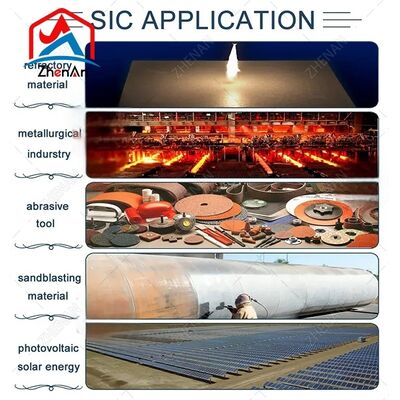
- Steelmaking as a metallurgical additive for deoxidation and composition adjustment
- Foundry production of gray, ductile, and malleable iron
- Furnace and ladle treatment requiring controlled distribution
- Metallurgical briquettes and composite additive production
Technical Evaluation Criteria
- SiC content and free carbon levels
- Silicon contribution calculations
- Fe₂O₃ and other oxide impurities
- Sulfur and phosphorus content where relevant
- Moisture content and particle-size distribution
- Furnace or ladle charging method compatibility
- Target steel or cast-iron chemistry requirements
Procurement Specification Checklist
| Requirement |
Buyer Information |
| Product Grade |
SiC 75% or SiC 80% |
| Chemical Composition |
Required SiC and impurity limits |
| Size / Form |
Granules and required particle range |
| Quantity |
Required shipment quantity |
| Application |
Steelmaking, foundry or furnace treatment |
| Packing |
Bag, big bag or other agreed format |
| Required Documents |
COA, SDS and applicable inspection documents |
Quality Assurance and Documentation
Chemical specifications should identify SiC content and controlled impurities relevant to your process. Certificates of Analysis document chemical analysis for supplied lots. Safety Data Sheets and packing information support purchasing, logistics, and plant handling procedures.
Packaging and Delivery
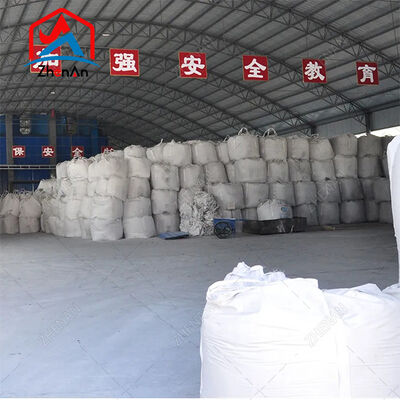
Packing is selected according to particle size, handling equipment, storage conditions, and shipment quantity. Common industrial packaging includes bulk bags and heavy-duty bags. Exact packing configurations are confirmed against buyer handling and transportation requirements.


 Your message must be between 20-3,000 characters!
 English