Iron Vanadium Alloy for Steel Casting
Iron Vanadium Alloy, also known as Ferro Vanadium (FeV), is a vanadium-iron alloy used as a metallurgical additive in steelmaking and steel casting. FeV50 and FeV70 provide different vanadium concentrations for controlling alloy additions according to the target steel composition and production process.
During steel production, vanadium contributes to grain refinement and precipitation strengthening, helping develop higher hardness, strength and wear resistance in appropriately designed steel grades. The final metallurgical properties depend on the complete alloy composition, vanadium addition level, melting practice and heat treatment.
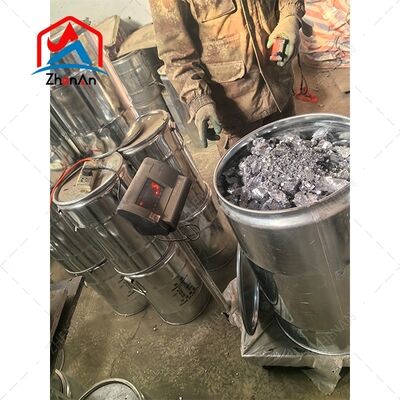
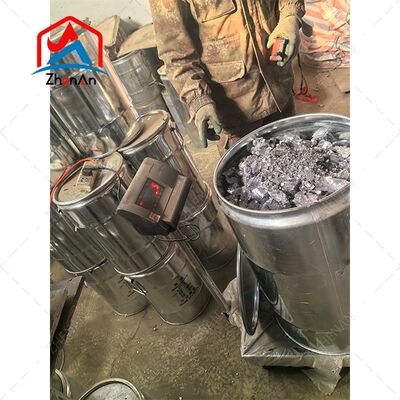
Our FeV50 and FeV70 are supplied in lump form for industrial steelmaking and casting applications. Buyers can specify the required FeV grade, lump size, chemical composition, quantity and packaging according to their production requirements.
Why Choose FeV50 and FeV70 for Steel Casting?
FeV50 and FeV70 Grades
Two vanadium concentration options available for different steelmaking requirements:
- FeV50: minimum 50% vanadium
- FeV70: minimum 70% vanadium
- Iron: balance
- Lump form for metallurgical addition
- Chemical specifications available according to agreed requirements
Suitable for Controlled Vanadium Addition
The choice between FeV50 and FeV70 can be based on the target vanadium concentration, steel grade, addition rate, melting process and required control of other alloying elements.
Designed for Metallurgical Applications
Ferro Vanadium is commonly used where vanadium alloying is required to develop specific characteristics in alloy steels, tool steels, high-strength steels and selected wear-resistant steel grades.
Specification-Based Supply
We can discuss:
- Vanadium grade
- Chemical composition
- Lump size
- Packaging
- Required quantity
- Inspection documents
- Delivery schedule
FeV50 and FeV70 Specifications
| Item |
FeV50 |
FeV70 |
| Product |
Iron Vanadium Alloy |
Iron Vanadium Alloy |
| Vanadium (V) |
≥50% |
≥70% |
| Iron (Fe) |
Balance |
Balance |
| Form |
Lump |
Lump |
| Lump Size |
According to requirement |
According to requirement |
| Carbon |
According to agreed specification |
According to agreed specification |
| Silicon |
According to agreed specification |
According to agreed specification |
| Manganese |
According to agreed specification |
According to agreed specification |
| Phosphorus |
According to agreed specification |
According to agreed specification |
| Sulfur |
According to agreed specification |
According to agreed specification |
| Aluminum |
According to agreed specification |
According to agreed specification |
| COA |
Available |
Available |
| SDS |
Available |
Available |
Actual chemical limits and size requirements can be confirmed against the buyer's steelmaking specification before order placement.
How Iron Vanadium Alloy Supports Steel Casting
FeV for High-Strength Steel
Vanadium is used in selected high-strength steel grades where controlled alloying is required. Under suitable composition and processing conditions, vanadium contributes to precipitation strengthening and grain refinement. FeV50 or FeV70 can be selected according to the required vanadium addition and the steelmaker's alloying practice.
FeV for Wear-Resistant Steel
Vanadium-containing steel grades can be designed for applications requiring a combination of hardness and wear resistance. Ferro Vanadium provides a concentrated source of vanadium for alloying during steel production. The appropriate FeV grade depends on the steel composition and required final properties.
FeV for Steel Casting
For steel casting operations, alloy additions need to be considered together with the complete melting and chemical-control process. FeV can be added as part of the alloying system used to achieve the specified chemical composition of cast steel.
FeV for Alloy Steel Production
Iron Vanadium Alloy is used in the production of selected alloy steels where vanadium is part of the designed chemical composition. Typical applications include:
- Alloy steel
- High-strength steel
- Tool steel
- Wear-resistant steel
- Selected cast steel grades
- Engineering steel
FeV50 vs FeV70: Grade Selection Guide
| Factor |
FeV50 |
FeV70 |
| Vanadium concentration |
≥50% V |
≥70% V |
| Typical consideration |
Standard vanadium addition |
Higher vanadium concentration |
| Fe contribution |
Relatively higher |
Relatively lower |
| Addition calculation |
Based on target V content |
Based on target V content |
| Suitable for |
Various alloy steel applications |
Higher-concentration vanadium alloying |
| Best selection basis |
Steel grade + target chemistry |
Steel grade + target chemistry |
FeV50 is not automatically better or worse than FeV70. The suitable grade depends on the target vanadium content, alloy recipe, addition efficiency, impurity requirements and production economics.
Steel Grades Suitable for Iron Vanadium Alloy
Iron Vanadium Alloy can be considered for steel grades where vanadium is intentionally included in the alloy design. Common application areas include:
High-Strength Steel
Used where controlled vanadium alloying is part of the steel composition for strength-related metallurgical requirements.
Wear-Resistant Steel
Suitable for selected steel formulations where hardness and resistance to abrasive wear are important.
Tool Steel
Vanadium is used in certain tool-steel compositions to support hardness, wear resistance and microstructural control.
Alloy Steel
FeV can be incorporated into alloy-steel production when the target chemical composition requires vanadium.
Cast Steel
For cast steel production, FeV can be used as an alloy addition during the melting and composition-adjustment process.
Pre-Order Information Requirements
Before requesting a quotation, provide the following information:
- Required FeV grade: FeV50, FeV70 or another grade
- Target vanadium content: Required V percentage in the final steel
- Steel grade: The grade being produced or cast
- Lump size: Required particle/lump range
- Chemical limits: Requirements for C, Si, Mn, P, S, Al and other elements
- Quantity: Trial, batch or bulk requirement
- Packaging: Preferred industrial packaging
- Destination: Port or delivery location
- Delivery schedule: Required shipment date
- Documents: COA, SDS or other inspection requirements
Providing the target steel grade and chemistry allows the FeV specification to be matched more accurately to the actual production process.
Product Form, Packaging and Delivery
Lump Form
FeV50 and FeV70 are supplied in lump form for industrial metallurgical applications. Required lump size can be discussed according to the buyer's charging and alloying practice.
Industrial Packaging
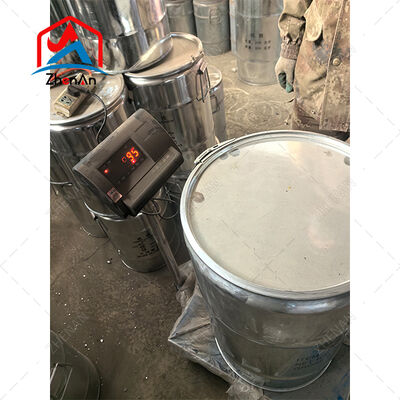
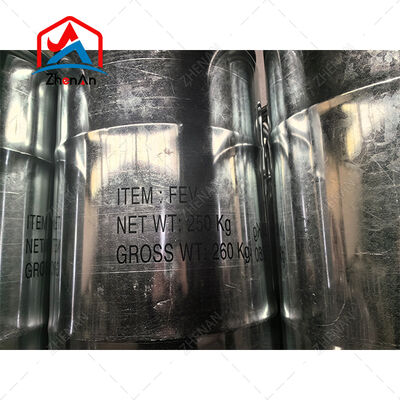
Packaging can be arranged according to quantity, handling requirements and transportation conditions. Jumbo bags and other suitable industrial packaging options can be discussed before shipment.
International Shipment
For quotation and logistics planning, buyers can provide:
- Product grade
- Quantity
- Required size
- Destination port
- Packaging requirement
- Target delivery date
A specification and commercial quotation can then be prepared according to the order requirements.
Frequently Asked Questions
What is Iron Vanadium Alloy?
Iron Vanadium Alloy, commonly called Ferro Vanadium or FeV, is an alloy of vanadium and iron used as a vanadium-bearing additive in steelmaking.
What is FeV50?
FeV50 is a Ferro Vanadium grade containing at least 50% vanadium, with iron making up the balance along with controlled impurity elements according to the agreed specification.
What is FeV70?
FeV70 is a Ferro Vanadium grade containing at least 70% vanadium. It provides a higher vanadium concentration than FeV50.
What is the difference between FeV50 and FeV70?
The main difference is vanadium concentration. FeV50 contains ≥50% V, while FeV70 contains ≥70% V. Grade selection should be based on the target steel chemistry and alloying process.
Can FeV be used for steel casting?
Yes. Ferro Vanadium can be used as a vanadium alloy addition in selected cast-steel production processes where vanadium is part of the specified steel composition.
Does Ferro Vanadium improve wear resistance?
Vanadium can contribute to hardness and wear resistance in appropriately designed steel compositions and processing conditions. Final performance depends on the complete composition and heat-treatment process.
Is FeV50 or FeV70 better for high-strength steel?
Neither grade is universally better. The appropriate grade depends on the required vanadium addition, target steel chemistry, impurity limits and melting practice.
What documents are available?
COA and SDS can be provided. Other inspection or documentation requirements can be discussed according to the buyer's order.
Request a FeV50 or FeV70 Quotation
If you are sourcing Iron Vanadium Alloy for steel casting, high-strength steel, alloy steel or wear-resistant steel, send us your required FeV grade, steel grade, lump size and quantity.
We can confirm the applicable chemical specification, packaging and delivery arrangement for your order.


 Your message must be between 20-3,000 characters!
 English