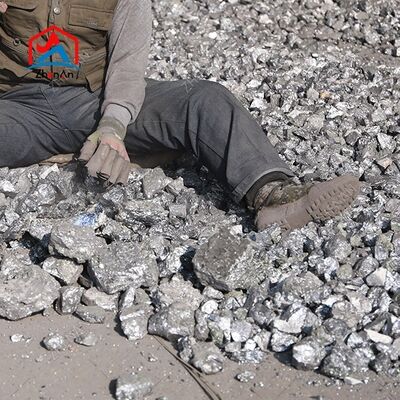
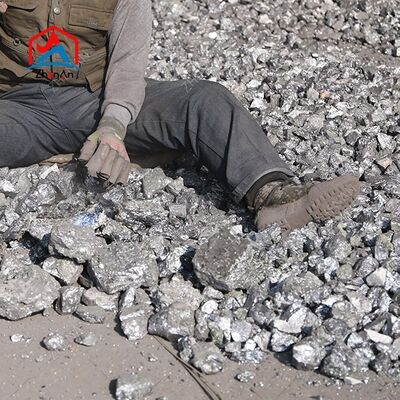
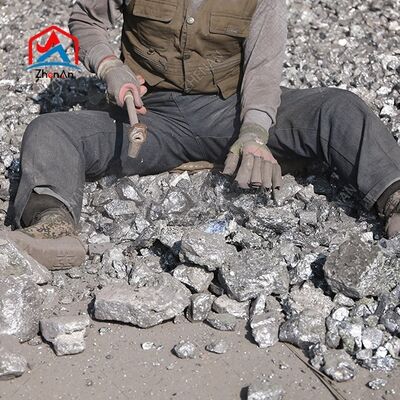
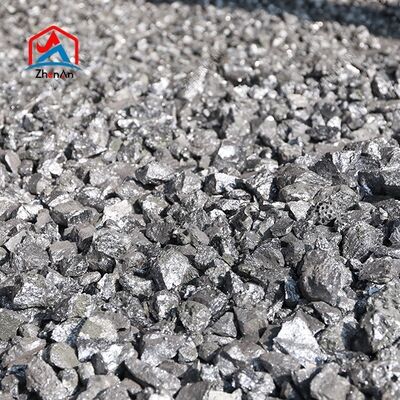
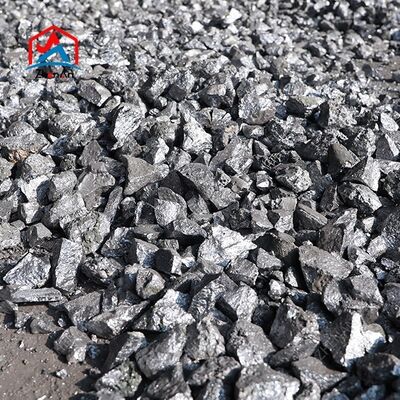
Silicon metal is one of the most important raw materials used in modern aluminum manufacturing, metallurgy, chemical production, and advanced materials industries. Due to its high silicon content and controllable impurity levels, silicon metal serves as both an alloying material and a reducing agent in various industrial processes. Among commercial grades, Silicon Metal 3303, 2202, and 1101 are widely recognized for their high purity, stable composition, and suitability for applications requiring strict quality control.
What Is Silicon Metal?
Silicon metal, also known as industrial silicon or metallurgical silicon, is a high-purity silicon material produced by reducing quartz (SiO₂) in submerged electric arc furnaces. The finished product typically contains between 98.5% and 99.7% silicon, with remaining elements consisting primarily of iron, aluminum, calcium, and trace impurities. Unlike ferrosilicon, silicon metal contains very little iron, making it suitable for aluminum alloys, chemical manufacturing, photovoltaic materials, and specialty metallurgy.
How Is Silicon Metal Produced?
The production of silicon metal begins with carefully selected quartz ore and carbonaceous reducing agents such as petroleum coke, coal, and wood chips. Inside a submerged arc furnace operating at temperatures above 2,000°C, silicon dioxide is reduced to elemental silicon. The molten silicon is then refined, cooled, crushed, screened, and sorted into commercial grades. Product quality depends largely on raw material purity, furnace operation, impurity control, and quality management procedures.
Understanding Silicon Metal Grade Numbers
Silicon metal grades are classified according to maximum impurity content. Lower impurity levels indicate higher purity and more demanding industrial applications.
| Grade |
Si (%) Min |
Fe (%) Max |
Al (%) Max |
Ca (%) Max |
| 553 |
98.5 |
0.50 |
0.50 |
0.30 |
| 441 |
99.0 |
0.40 |
0.40 |
0.10 |
| 3303 |
99.3 |
0.30 |
0.30 |
0.03 |
| 2202 |
99.5 |
0.20 |
0.20 |
0.02 |
| 1101 |
99.7 |
0.10 |
0.10 |
0.01 |
Higher-grade materials are generally selected for chemical processing, high-performance alloys, and applications requiring lower contamination levels.
Technical Specifications of Silicon Metal 3303, 2202, and 1101
| Property |
Typical Value |
| Product Form |
Lump, Granule, Powder |
| Silicon Purity |
99.3%-99.7% |
| Appearance |
Silver-gray metallic solid |
| Density |
2.33 g/cm³ |
| Melting Point |
1414°C |
| Boiling Point |
3265°C |
| Standard Lump Size |
10-50mm, 10-100mm |
| Packaging |
1 MT Jumbo Bag |
Why Is Silicon Metal Used in Aluminum Alloy Production?
Silicon is one of the most important alloying elements in cast aluminum products. When added to molten aluminum, silicon improves fluidity, reduces shrinkage during solidification, enhances wear resistance, and improves casting performance. These benefits help manufacturers produce complex components with improved dimensional accuracy and mechanical properties. As a result, aluminum-silicon alloys are widely used in automotive engines, wheels, transmission housings, aerospace structures, and industrial machinery.
Applications of Silicon Metal in the Chemical Industry
High-purity silicon metal is a key raw material for producing silicon-based chemicals. Through chemical processing, silicon metal can be converted into chlorosilanes and other intermediates used in the manufacture of:
- Silicone rubber
- Silicone oil
- Silicone sealants
- Silicone resins
- Electronic materials
- Solar-grade silicon feedstock
Because chemical reactions are highly sensitive to impurities, grades 2202 and 1101 are commonly preferred in these applications.
Applications of Silicon Metal in Metallurgy
Silicon metal performs multiple functions in metallurgical operations:
- Reducing agent in metal extraction processes
- Deoxidizer during steel and alloy refining
- Alloying element in specialty metals
- Raw material for magnesium production
- Additive in refractory manufacturing
Its strong affinity for oxygen and excellent reduction capability make silicon metal valuable in many high-temperature industrial processes.
Silicon Metal 3303 vs 2202 vs 1101
| Comparison Item |
3303 |
2202 |
1101 |
| Purity Level |
High |
Very High |
Ultra High |
| Aluminum Alloy Production |
Excellent |
Excellent |
Excellent |
| Chemical Industry |
Suitable |
Excellent |
Excellent |
| Impurity Control |
Good |
Excellent |
Outstanding |
| Relative Cost |
Most Economical |
Moderate |
Highest |
Grade selection should be based on technical requirements rather than purity alone. For many aluminum alloy applications, 3303 provides an excellent balance between performance and cost.
Silicon Metal vs Ferrosilicon
| Parameter |
Silicon Metal |
Ferrosilicon |
| Silicon Content |
98.5%-99.7% |
45%-75% |
| Iron Content |
Very Low |
High |
| Primary Industry |
Aluminum & Chemical |
Steelmaking |
| Chemical Manufacturing |
Suitable |
Not Suitable |
| Purity Requirement |
High |
Moderate |
Although both materials contain silicon, they serve different industrial purposes. Silicon metal is selected when high silicon purity is required, while ferrosilicon is primarily used in steel production.
How to Choose a Reliable Silicon Metal Supplier
Industrial buyers should evaluate more than price when selecting a supplier:
- Chemical composition consistency
- Production capacity
- Quality management system
- Third-party inspection availability
- Export experience
- Packaging standards
- Delivery reliability
- Technical support capability
Long-term supply stability often provides greater value than short-term procurement savings.
Why Choose ZhenAn Silicon Metal?
- More than 30 years of metallurgical materials experience
- Supply of 553, 441, 3303, 2202, and 1101 grades
- Strict laboratory quality control
- Customized lump and powder specifications
- Professional export service
- Stable global supply capability
- Technical support for industrial applications
Frequently Asked Questions (FAQ)
What is Silicon Metal 3303 used for?
Silicon Metal 3303 is widely used in aluminum alloy production, foundry casting, and metallurgical processing where a balance of purity and cost efficiency is required.
Why is Silicon Metal 2202 more expensive than 3303?
Grade 2202 contains lower impurity levels and requires stricter production control, resulting in higher manufacturing costs.
What industries use Silicon Metal 1101?
1101 is commonly used in chemical manufacturing, advanced alloys, and applications requiring very low impurity content.
Can silicon metal be used as a reducing agent?
Yes. Silicon has strong reducing properties and is used in several metallurgical extraction and refining processes.
What is the standard packaging for silicon metal lumps?
The most common packaging is 1 MT jumbo bags, although customized packaging options are available.
What particle sizes are available?
Common sizes include 10-50mm, 10-100mm, and customized specifications according to customer requirements.
Is silicon metal suitable for aluminum casting?
Yes. Silicon improves casting fluidity, reduces shrinkage, and enhances wear resistance in aluminum alloys.
How is silicon metal different from polysilicon?
Silicon metal is an industrial raw material, while polysilicon is an ultra-high-purity product used in semiconductors and solar cells.
Can chemical analysis reports be provided?
Yes. COA and quality inspection reports can be supplied with shipments.
How can I obtain a quotation?
Please provide the required grade, particle size, quantity, and destination port for a customized offer.


 Your message must be between 20-3,000 characters!
 English