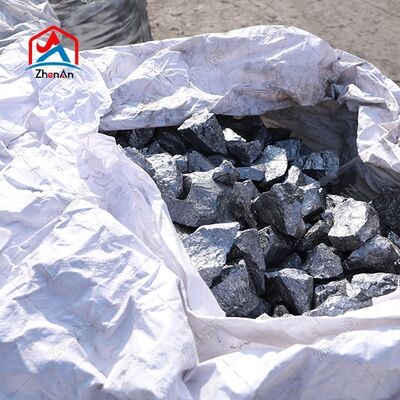
Silicon metal is one of the most strategically important raw materials in modern industry. From aluminum casting and chemical synthesis to foundry engineering and advanced metallurgy, high-purity silicon provides the foundation for numerous manufacturing processes.
Among commercially available grades, Silicon Metal 3303, 2202, and 1101 are recognized for their low impurity levels and stable chemical composition. These characteristics allow manufacturers to improve process consistency, optimize alloy performance, and meet increasingly stringent quality requirements.
What Is Metallurgical Silicon Metal?
Metallurgical silicon metal is a silicon-rich industrial material produced through the carbothermic reduction of quartz. The finished product consists primarily of elemental silicon and contains controlled quantities of iron, aluminum, calcium, and trace elements.
Unlike ferrosilicon, which contains significant amounts of iron, silicon metal is used when higher silicon purity is required. This makes it suitable for aluminum alloys, silicone chemicals, polysilicon production, foundry materials, and specialized metallurgical processes.
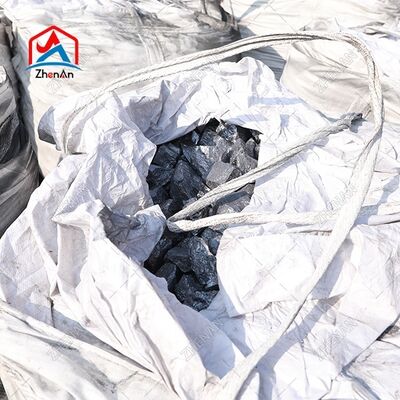
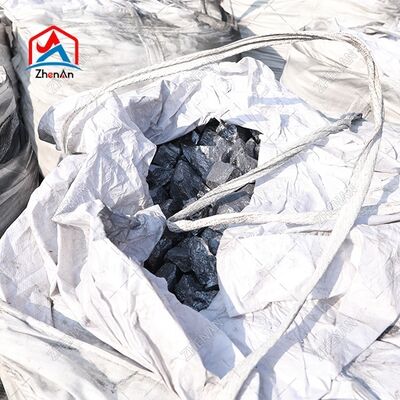
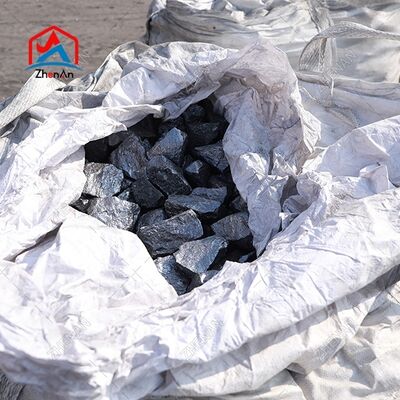
The material is typically supplied as lumps, granules, or powders depending on application requirements.
How Is Silicon Metal Manufactured?
The manufacturing process begins with carefully selected quartz and carbon-based reducing agents. Inside a submerged arc furnace operating above 2,000°C, silicon dioxide reacts with carbon to produce molten silicon. After smelting, the material undergoes refining, cooling, crushing, grading, and quality inspection before shipment.
Raw material quality, furnace control, and refining technology are key factors influencing the final purity and performance of silicon metal.
How Are Silicon Metal Grades Classified?
Industrial silicon grades are generally identified according to the maximum allowable levels of iron (Fe), aluminum (Al), and calcium (Ca). Lower impurity levels indicate higher-grade material.
| Grade |
Silicon (%) Min |
Fe (%) Max |
Al (%) Max |
Ca (%) Max |
| 553 |
98.5 |
0.50 |
0.50 |
0.30 |
| 441 |
99.0 |
0.40 |
0.40 |
0.10 |
| 3303 |
99.3 |
0.30 |
0.30 |
0.03 |
| 2202 |
99.5 |
0.20 |
0.20 |
0.02 |
| 1101 |
99.7 |
0.10 |
0.10 |
0.01 |
This classification system allows buyers to select materials according to purity requirements and end-use applications.
Technical Parameters of Silicon Metal 3303, 2202 and 1101
| Item |
Specification |
| Product Form |
Lump, Granule, Powder |
| Silicon Content |
99.3% - 99.7% |
| Density |
Approx. 2.33 g/cm³ |
| Melting Point |
1414°C |
| Color |
Silver-gray metallic appearance |
| Common Sizes |
0-10mm, 10-50mm, 10-100mm |
| Packaging |
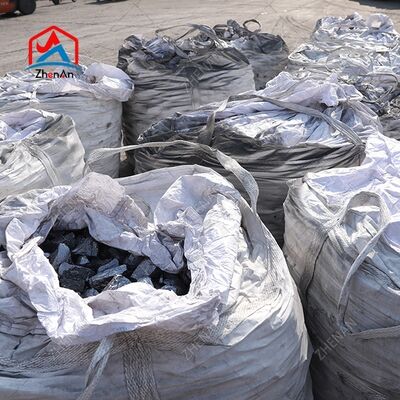
1 MT Jumbo Bag or Customized |
Why Is Silicon Metal Important for Aluminum Alloy Production?
Silicon is one of the most effective alloying elements used in aluminum metallurgy. It improves molten metal fluidity, facilitates mold filling, and reduces solidification shrinkage.
These properties are particularly valuable when manufacturing complex cast components. Silicon-containing aluminum alloys are extensively used in transportation equipment, machinery, aerospace structures, and automotive components.
Using high-purity silicon metal also helps reduce unwanted impurities that may affect alloy performance.
Applications in the Chemical Industry
The chemical sector is another major consumer of silicon metal. High-purity grades such as 2202 and 1101 are often used to manufacture chlorosilanes and other silicon-based intermediates.
These materials are further processed into:
- Silicone rubber
- Silicone oil
- Silicone sealants
- Silicone resins
- Electronic-grade silicon materials
Because chemical production processes are sensitive to contamination, low-impurity silicon grades are generally preferred.
Foundry Industry Applications
Foundries use silicon metal to improve casting performance and control alloy chemistry.
Benefits include:
- Improved casting fluidity
- Enhanced wear resistance
- Better dimensional stability
- Reduced casting defects
- Improved mechanical properties
As casting quality standards continue to rise, foundries increasingly rely on consistent silicon metal supply to maintain production stability.
Applications in Metallurgical Processing
Silicon metal performs multiple functions in metallurgical operations.
- Reducing agent in metal extraction
- Deoxidizer during refining
- Alloying element in special metals
- Raw material for magnesium production
- Additive in refractory systems
Its strong affinity for oxygen and ability to participate in metallurgical reactions make it an important industrial material beyond aluminum production.
Comparison of Silicon Metal 3303, 2202 and 1101
| Factor |
3303 |
2202 |
1101 |
| Purity Level |
High |
Very High |
Ultra High |
| Aluminum Alloy Use |
Excellent |
Excellent |
Excellent |
| Chemical Industry |
Good |
Excellent |
Excellent |
| Foundry Applications |
Excellent |
Excellent |
Good |
| Cost Performance |
Highest |
Balanced |
Premium |
Silicon Metal vs Ferrosilicon
| Property |
Silicon Metal |
Ferrosilicon |
| Silicon Content |
98.5% - 99.7% |
45% - 75% |
| Iron Content |
Very Low |
High |
| Aluminum Industry |
Widely Used |
Rarely Used |
| Chemical Industry |
Suitable |
Not Suitable |
| Steelmaking |
Limited |
Primary Application |
The primary difference lies in purity. Silicon metal is selected when high silicon concentration is required, whereas ferrosilicon is primarily used in steelmaking operations.
How to Select the Right Silicon Metal Grade
When purchasing silicon metal, buyers should evaluate:
- Required silicon purity
- Maximum impurity limits
- Particle size specification
- Application requirements
- Supplier quality management
- Batch consistency
- Available certifications
Selecting the appropriate grade can improve production efficiency and reduce overall operating costs.
Procurement Guide for Industrial Buyers
Before placing an order, it is advisable to confirm:
- Chemical composition report
- Particle size distribution
- Packaging requirements
- Monthly supply capability
- Inspection standards
- Delivery schedule
- Export documentation availability
Long-term buyers often prioritize stable composition and reliable supply over marginal differences in silicon purity.
Frequently Asked Questions
What is Silicon Metal 3303 primarily used for?
It is commonly used in aluminum alloy manufacturing, foundry production, and metallurgical applications requiring high purity and cost efficiency.
Why do aluminum manufacturers use silicon metal?
Silicon improves casting performance, enhances fluidity, and contributes to the mechanical properties of aluminum alloys.
What is the difference between 2202 and 1101?
1101 contains lower impurity levels and higher silicon purity than 2202, making it suitable for more demanding applications.
Can silicon metal be used in chemical manufacturing?
Yes. High-purity silicon metal is an important raw material for producing silicone-based products and other chemical intermediates.
Is Silicon Metal 441 suitable for aluminum alloys?
Yes. Grade 441 is widely used in conventional aluminum alloy production and casting applications.
What particle sizes are commonly available?
Typical sizes include 0-10mm, 10-50mm, and 10-100mm, with customized specifications available.
How is silicon metal packaged?
Most industrial shipments use 1 MT jumbo bags, though customized packaging can be arranged.
Can quality certificates be provided?
Yes. Chemical analysis reports and inspection documentation are available upon request.
What industries consume the largest quantities of silicon metal?
Aluminum alloys, chemical manufacturing, foundries, photovoltaic materials, and metallurgical industries are major consumers.
How can I request a quotation?
Please provide your required grade, quantity, size specification, and delivery destination for a customized offer.


 Your message must be between 20-3,000 characters!
 English