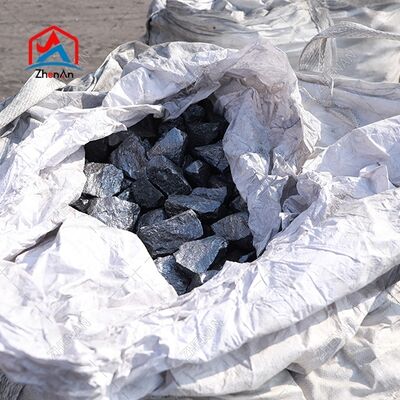
Silicon Metal for Aluminum Smelting Industry
Aluminum producers rely on precise alloy compositions to achieve mechanical strength, casting quality, corrosion resistance, and production efficiency. Among the essential alloying materials used throughout the aluminum industry, silicon metal remains one of the most important.
Silicon Metal 3303, 2202, and 1101 are premium industrial grades specifically valued for their high silicon content and controlled impurity levels. These materials help aluminum smelters and alloy manufacturers maintain consistent product quality while meeting increasingly demanding technical specifications.
Importance of Silicon Metal in Aluminum Smelting
Silicon is one of the primary alloying elements used in cast and wrought aluminum products. When introduced into molten aluminum, silicon enhances fluidity, improves filling characteristics, and reduces the tendency for shrinkage during solidification.
These advantages allow manufacturers to produce lighter, stronger, and more dimensionally accurate components. As a result, silicon-containing aluminum alloys are widely utilized in automotive engines, transmission housings, wheels, aerospace structures, and industrial equipment.
High-purity silicon metal also helps reduce undesirable contamination, allowing more accurate control of alloy chemistry.
Metallurgical Grade Silicon Metal
Metallurgical grade silicon metal is produced by reducing silica-rich quartz with carbonaceous materials in submerged electric arc furnaces. The process generates elemental silicon that is subsequently refined, crushed, graded, and packaged according to industrial specifications.
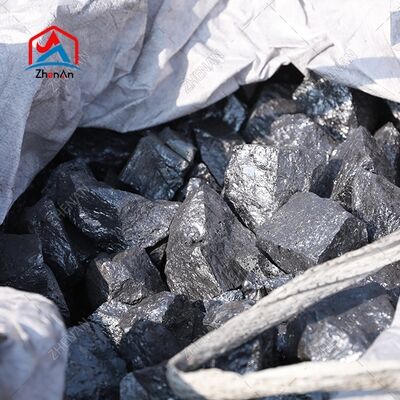
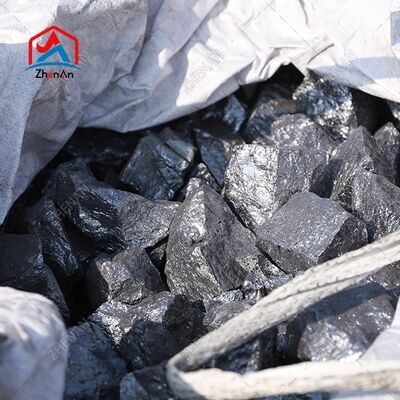
The finished product appears as a silver-gray metallic lump with high thermal stability and excellent metallurgical properties. Depending on the intended application, silicon metal can be supplied in different purity grades and particle size distributions.
Production Process
- Selection of high-purity quartz ore
- Preparation of reducing materials
- Electric furnace smelting
- Impurity control and refining
- Cooling and solidification
- Crushing and screening
- Packaging and shipment
Quality control during each stage is essential for maintaining stable chemical composition and minimizing impurity fluctuations between production batches.
Chemical Specifications
| Grade |
Si (%) Min |
Fe (%) Max |
Al (%) Max |
Ca (%) Max |
Typical End Use |
| 553 |
98.5 |
0.50 |
0.50 |
0.30 |
Standard Alloy Production |
| 441 |
99.0 |
0.40 |
0.40 |
0.10 |
Aluminum Foundries |
| 3303 |
99.3 |
0.30 |
0.30 |
0.03 |
Premium Aluminum Alloys |
| 2202 |
99.5 |
0.20 |
0.20 |
0.02 |
High-Quality Industrial Applications |
| 1101 |
99.7 |
0.10 |
0.10 |
0.01 |
Advanced Manufacturing Processes |
Physical Properties
| Property |
Value |
| Appearance |
Silver-gray metallic lump |
| Density |
Approximately 2.33 g/cm³ |
| Melting Point |
1414°C |
| Boiling Point |
3265°C |
| Mohs Hardness |
6.5-7 |
| Standard Sizes |
10-50mm, 10-100mm, Customized |
Benefits in Aluminum Alloy Production
- Improves molten metal flowability
- Enhances wear resistance
- Increases casting productivity
- Reduces cracking tendencies
- Supports lightweight alloy design
- Improves thermal stability
These characteristics explain why aluminum-silicon alloy systems remain among the most widely used alloy families globally.
Industry Applications
Automotive Components
Engine blocks, pistons, cylinder heads, and transmission parts frequently utilize aluminum-silicon alloys.
Aerospace Manufacturing
Weight reduction requirements make silicon-containing aluminum alloys attractive for aircraft structures and components.
Industrial Castings
Complex cast products benefit from improved fluidity and reduced casting defects.
Construction Materials
Architectural and engineering applications often require corrosion-resistant aluminum alloys.
Grade Comparison: 3303, 2202, and 1101
| Parameter |
3303 |
2202 |
1101 |
| Purity Level |
High |
Very High |
Ultra High |
| Impurity Control |
Good |
Excellent |
Outstanding |
| Aluminum Alloy Production |
Excellent |
Excellent |
Excellent |
| Chemical Applications |
Limited |
Suitable |
Preferred |
| Relative Cost |
Economical |
Moderate |
Premium |
Quality Evaluation Criteria
- Chemical composition stability
- Particle size consistency
- Impurity control capability
- Production traceability
- Inspection documentation
- Long-term supply reliability
- Export experience
Stable composition often contributes more to production efficiency than occasional high-purity batches with inconsistent chemistry.
Why Choose ZhenAn Silicon Metal?
- More than 30 years of metallurgical materials manufacturing experience
- Supply capability for 553, 441, 3303, 2202, and 1101 grades
- Professional quality testing procedures
- Customized sizing and packaging services
- Stable export supply chain
- Technical support for alloy production applications
- Global delivery experience
Frequently Asked Questions
What is Silicon Metal 3303 used for?
It is commonly used in aluminum alloy manufacturing, casting production, and metallurgical processing requiring controlled impurity levels.
Why is silicon added to aluminum?
Silicon improves casting performance, wear resistance, fluidity, and overall alloy quality.
What does the grade number 2202 represent?
It refers to impurity limits, specifically maximum levels of iron, aluminum, and calcium within the material.
Is Silicon Metal 1101 suitable for high-purity applications?
Yes. Its low impurity content makes it suitable for demanding industrial and chemical processes.
Which grade is most cost-effective for aluminum alloy production?
Many producers select 3303 because it offers a strong balance between purity and procurement cost.
What particle sizes can be supplied?
Common sizes include 10-50mm, 10-100mm, and customized specifications based on customer requirements.
How does Silicon Metal differ from Ferrosilicon?
Silicon metal contains significantly less iron and higher silicon purity, making it suitable for non-ferrous and chemical industries.
Can inspection certificates be provided?
Yes. Chemical analysis reports and quality documentation are available for supplied materials.
What packaging options are available?
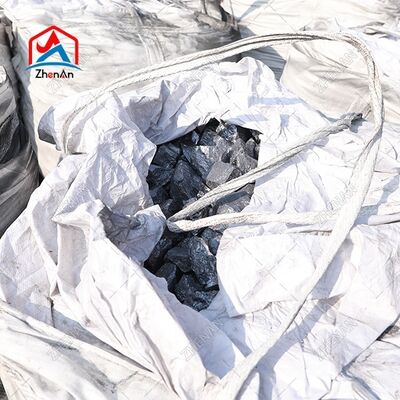
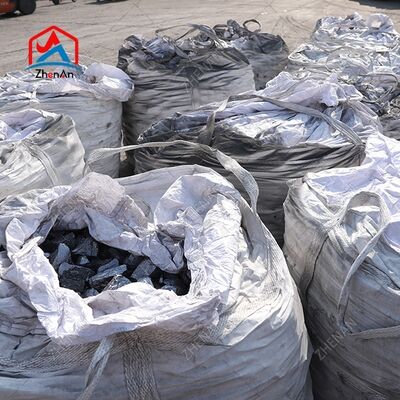
Standard 1 MT jumbo bags are commonly used, with customized packaging available upon request.
How can I receive a quotation?
Please provide the required grade, quantity, size specification, and destination port for a customized offer.
High Purity Silicon Metal Export Supplier for Global Aluminum and Metallurgical Industries


 Your message must be between 20-3,000 characters!
 English