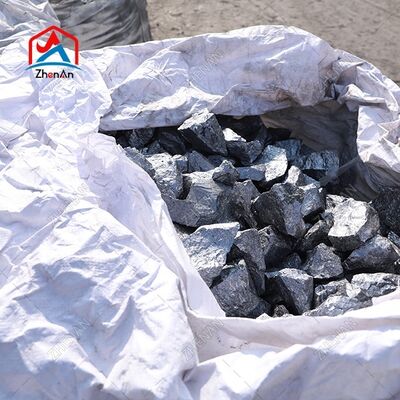
As global demand for lightweight alloys, high-performance castings, and advanced metallurgical materials continues to increase, silicon metal has become an essential industrial raw material. Silicon Metal 3303, 2202, and 1101 are among the most widely specified grades due to their controlled impurity levels, high silicon content, and excellent compatibility with aluminum and metallurgical production systems. These grades are specifically valued for their stable composition, which helps manufacturers maintain consistent process control, reduce unwanted inclusions, and improve final product quality.
Overview of Silicon Metal
Silicon metal is a refined industrial material consisting primarily of elemental silicon. It is manufactured through high-temperature reduction of quartz in electric submerged arc furnaces and is supplied in various purity grades based on the concentration of residual impurities. Due to its unique combination of metallurgical and chemical properties, silicon metal is widely used in aluminum alloys, silicone production, photovoltaic materials, refractory products, and specialty metallurgy. Industrial users often select specific grades according to purity requirements, alloy chemistry targets, and production processes.
Why Low Impurity Silicon Metal Matters
Impurities such as iron, aluminum, and calcium can significantly influence alloy behavior and downstream manufacturing performance. Lower impurity content provides several advantages:
- Improved alloy composition accuracy
- Reduced contamination risk
- Enhanced mechanical properties
- More consistent casting results
- Better process repeatability
- Reduced refining requirements
For manufacturers seeking tighter quality control, grades such as 3303, 2202, and 1101 offer measurable advantages over lower-purity alternatives.
Silicon Metal Grade Identification
The commercial grade number reflects the maximum allowable content of major impurity elements. As impurity limits decrease, silicon purity increases.
| Grade |
Silicon (%) |
Iron (%) Max |
Aluminum (%) Max |
Calcium (%) Max |
| 553 |
≥98.5 |
0.50 |
0.50 |
0.30 |
| 441 |
≥99.0 |
0.40 |
0.40 |
0.10 |
| 3303 |
≥99.3 |
0.30 |
0.30 |
0.03 |
| 2202 |
≥99.5 |
0.20 |
0.20 |
0.02 |
| 1101 |
≥99.7 |
0.10 |
0.10 |
0.01 |
Physical and Chemical Characteristics
| Property |
Typical Value |
| Appearance |
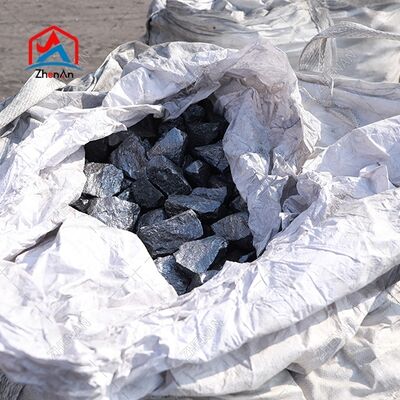
Silver-gray metallic lump |
| Silicon Content |
99.3% - 99.7% |
| Density |
Approximately 2.33 g/cm³ |
| Melting Point |
1414°C |
| Hardness |
Approximately 6.5-7 Mohs |
| Standard Sizes |
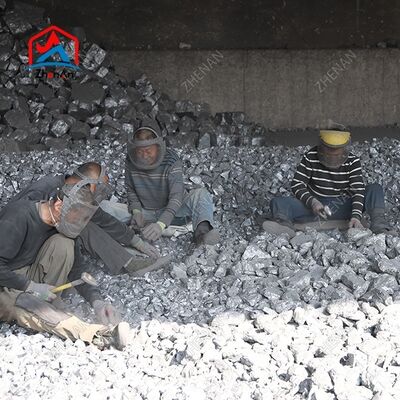
10-50mm, 10-100mm, Customized |
Applications in Aluminum Alloy Manufacturing
Aluminum-silicon alloys represent one of the largest consumption sectors for silicon metal worldwide. Silicon improves casting fluidity, reduces solidification shrinkage, enhances wear resistance, and supports the production of complex-shaped components. These advantages are particularly important in automotive, transportation, aerospace, and industrial machinery applications. Because alloy properties depend heavily on composition consistency, manufacturers often prefer low-impurity silicon metal grades to achieve better metallurgical control.
Role in Metallurgical Industry Operations
Beyond aluminum production, silicon metal performs several important functions in metallurgical processing:
- Alloying element for specialty metals
- Reducing agent in metallurgical reactions
- Deoxidizer during refining operations
- Raw material for magnesium production
- Additive in foundry alloy preparation
- Component in refractory manufacturing
Its versatility allows a single material to serve multiple functions across the metallurgical value chain.
Choosing Between Silicon Metal 3303, 2202, and 1101
| Comparison Factor |
3303 |
2202 |
1101 |
| Purity Level |
High |
Very High |
Ultra High |
| Aluminum Alloy Production |
Excellent |
Excellent |
Excellent |
| Chemical Industry |
Suitable |
Excellent |
Excellent |
| Metallurgical Applications |
Excellent |
Excellent |
Good |
| Cost Efficiency |
Best |
Balanced |
Premium |
Grade selection should be based on the required impurity limits, production objectives, and budget considerations rather than purity alone.
Silicon Metal vs Aluminum Alloy Additives
| Material |
Main Function |
Typical Silicon Content |
| Silicon Metal |
Primary silicon source |
98.5% - 99.7% |
| Ferrosilicon |
Steel alloying and deoxidation |
45% - 75% |
| Al-Si Master Alloy |
Direct alloy adjustment |
Application dependent |
For applications requiring precise silicon addition and low iron introduction, silicon metal is often the preferred material.
Factors Influencing Silicon Metal Quality
Several production variables directly affect the quality and consistency of silicon metal:
- Quartz purity
- Carbon reducing agent selection
- Furnace operating conditions
- Refining procedures
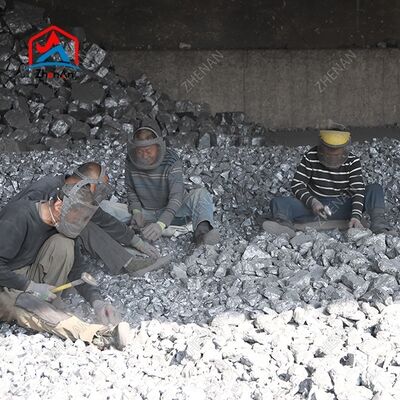
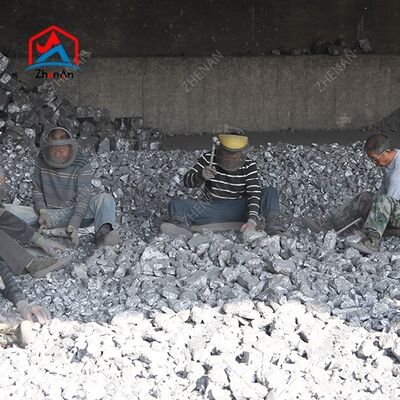
- Crushing and screening accuracy
- Quality inspection standards
Manufacturers with robust quality control systems generally achieve better batch-to-batch consistency and more reliable supply performance.
Advantages of Stable Composition Silicon Metal
Stable chemical composition is often more valuable than simply achieving high purity. Consistent silicon metal can help manufacturers:
- Reduce production variability
- Improve yield rates
- Simplify alloy calculations
- Lower quality-related risks
- Maintain predictable process performance
For large-scale industrial operations, supply consistency often translates directly into operational efficiency.
Why Global Buyers Choose ZhenAn Silicon Metal
- Over 30 years of metallurgical materials manufacturing experience
- Supply of 553, 441, 3303, 2202, and 1101 grades
- Strict impurity control standards
- Custom particle size processing
- Stable monthly production capacity
- Third-party inspection support
- Worldwide export service
Frequently Asked Questions
What is the main difference between Silicon Metal 3303 and 2202?
2202 contains lower levels of iron, aluminum, and calcium, resulting in higher purity and broader suitability for chemical applications.
Why is low impurity silicon important for aluminum alloys?
Lower impurity content helps maintain alloy consistency, reduces contamination, and supports improved mechanical performance.
Which grade is most commonly used in foundry applications?
Silicon Metal 3303 is frequently selected because it offers a balance between quality and cost efficiency.
Can Silicon Metal 1101 be used in chemical manufacturing?
Yes. Its very low impurity levels make it suitable for high-purity industrial processes.
Does silicon metal function as a deoxidizer?
Yes. Silicon readily reacts with oxygen and is commonly used to reduce oxygen content in metallurgical systems.
What sizes are available?
Standard sizes include 10-50mm and 10-100mm, while customized specifications can be supplied upon request.
How is silicon metal packaged?
Most industrial shipments use 1 MT jumbo bags, although customized packaging options are available.
Can composition reports be provided?
Yes. Chemical analysis certificates and inspection documentation are available for each batch.
What industries consume the largest quantities of silicon metal?
Aluminum alloys, metallurgy, silicone chemicals, photovoltaic materials, and specialty manufacturing sectors are the primary consumers.
How can I request a quotation?
Please provide your required grade, quantity, particle size, and destination port to receive a customized offer.
Professional Industrial Silicon Supplier for Global Metallurgical and Aluminum Industries


 Your message must be between 20-3,000 characters!
 English