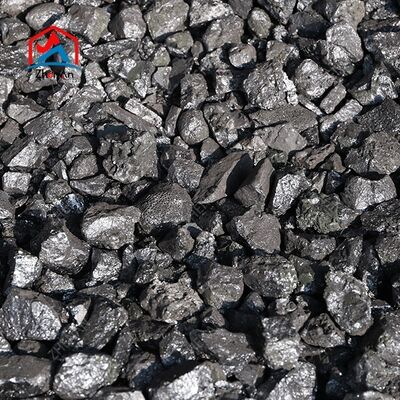
High Purity Silicon Metal for Alloy Manufacturing and Metallurgy
In modern metallurgy, silicon serves as a powerful reducing agent, efficient deoxidizer, and critical raw material for manufacturing advanced metallic materials. Silicon Metal grades 3303, 2202, and 1101 are widely traded due to their optimal balance of purity, process performance, and industrial versatility.
Whether used in aluminum alloy production, magnesium smelting, steel refining, or chemical synthesis, high-purity silicon metal contributes to cleaner metallurgical reactions, improved product quality, and greater production efficiency.
What Is High Purity Silicon Metal?
High purity silicon metal is a silicon-rich material manufactured through quartz ore reduction in submerged electric arc furnaces. The resulting product contains silicon concentrations exceeding 99%, with controlled impurity limits for elements like iron, aluminum, and calcium.
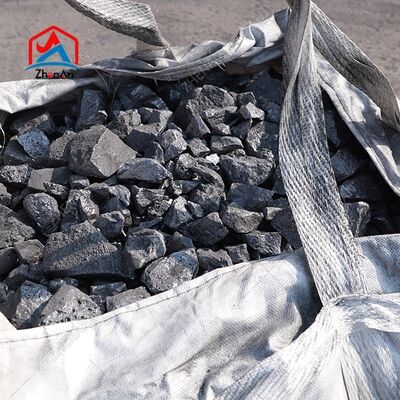
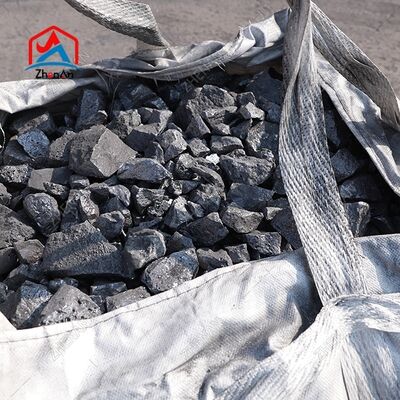
This material exhibits excellent thermal stability, strong reducing capability, and high chemical reactivity, making it suitable for demanding industrial applications. Commercial silicon metal is supplied as lumps, granules, powders, and customized particle sizes according to production requirements.
Role of Silicon Metal in Modern Metallurgy
Silicon performs multiple critical functions during metallurgical processing:
- Removes dissolved oxygen from molten metal systems
- Enhances alloy composition control
- Supports reduction of metallic compounds
- Improves casting characteristics
- Contributes to high-temperature oxidation resistance
- Promotes metallurgical cleanliness
These properties make silicon metal indispensable in non-ferrous metallurgy, steelmaking, refractory production, and specialty alloy manufacturing.
Production Process
The manufacturing process begins with high-grade quartz selected for low impurity content. Carbon-based reducing materials including petroleum coke, coal, and wood chips are combined with quartz and charged into submerged arc furnaces.
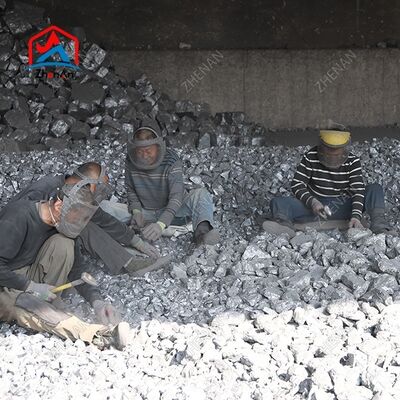
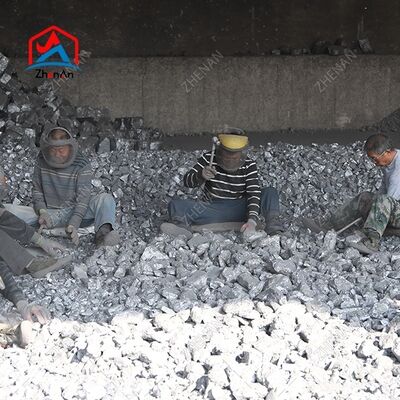
At temperatures exceeding 2000°C, silicon dioxide reduces to elemental silicon. After tapping, refining, crushing, screening, and grading, the finished silicon metal is prepared for industrial use. Production quality is primarily influenced by furnace operation, raw material purity, and post-smelting refining procedures.
Chemical Composition Specifications
| Grade |
Si (%) |
Fe (%) Max |
Al (%) Max |
Ca (%) Max |
Industrial Category |
| 553 |
≥98.5 |
0.50 |
0.50 |
0.30 |
Standard Metallurgical Grade |
| 441 |
≥99.0 |
0.40 |
0.40 |
0.10 |
Aluminum Alloy Grade |
| 3303 |
≥99.3 |
0.30 |
0.30 |
0.03 |
Premium Metallurgical Grade |
| 2202 |
≥99.5 |
0.20 |
0.20 |
0.02 |
Chemical Processing Grade |
| 1101 |
≥99.7 |
0.10 |
0.10 |
0.01 |
High Purity Industrial Grade |
Technical Properties
| Property |
Value |
| Appearance |
Silver-gray metallic solid |
| Silicon Purity Range |
99.3% - 99.7% |
| Density |
Approximately 2.33 g/cm³ |
| Melting Temperature |
1414°C |
| Boiling Temperature |
3265°C |
| Available Forms |
Lump, Granule, Powder |
| Typical Lump Sizes |
10-50mm, 10-100mm |
Deoxidizing Capabilities
During metal refining, excessive oxygen causes defects, brittleness, and reduced mechanical performance. Silicon exhibits strong oxygen affinity and reacts readily to form stable silicon oxides.
This reaction lowers dissolved oxygen levels in molten metal and contributes to cleaner metallurgical structures. Compared with alternative deoxidizers, silicon offers effective oxygen removal while contributing useful alloying elements to the final product.
Reducing Material Benefits
Silicon metal is frequently utilized in metallurgical extraction and refining because it:
- Provides strong reduction capability
- Supports higher metal recovery rates
- Produces relatively stable reaction products
- Improves process efficiency
- Contributes beneficial silicon to final alloy systems
Industrial Applications
Aluminum-Silicon Alloys
Improves fluidity, wear resistance, castability, and corrosion performance.
Special Steel Alloys
Contributes to strength, elasticity, oxidation resistance, and magnetic properties.
Magnesium-Based Alloys
Supports reduction processes and alloy chemistry control.
Casting Alloys
Enhances mold filling characteristics and minimizes casting defects.
Heat-Resistant Alloys
Improves performance under elevated operating temperatures.
Grade Performance Comparison
| Selection Criteria |
3303 |
2202 |
1101 |
| Purity Level |
High |
Very High |
Ultra High |
| Metallurgical Reduction |
Excellent |
Excellent |
Good |
| Alloy Manufacturing |
Excellent |
Excellent |
Excellent |
| Chemical Processing |
Good |
Excellent |
Excellent |
| Procurement Cost |
Most Economical |
Moderate |
Highest |
Silicon Metal vs Silicon Carbide
| Characteristic |
Silicon Metal |
Silicon Carbide |
| Main Composition |
Elemental Silicon |
Silicon + Carbon Compound |
| Primary Function |
Alloying and Reduction |
Carbon and Silicon Source |
| Purity Requirements |
High |
Application Dependent |
| Chemical Industry Use |
Yes |
Limited |
| Aluminum Alloy Production |
Common |
Rare |
While both materials contain silicon, silicon metal is generally selected when precise alloy chemistry and higher purity are required.
Purchasing Considerations
Industrial buyers should evaluate these critical criteria:
- Silicon purity level
- Impurity specifications
- Particle size distribution
- Batch consistency
- Production capacity
- Inspection documentation
- Export logistics support
- Long-term supply reliability
Matching the silicon grade to intended applications helps optimize both performance and procurement costs.
Why Choose ZhenAn as Your Supplier?
- More than 30 years of metallurgical materials manufacturing experience
- Complete supply of 553, 441, 3303, 2202, and 1101 grades
- Strict quality control and laboratory testing
- Customized crushing and screening services
- Flexible packaging options
- Professional export documentation support
- Global shipment experience
Frequently Asked Questions
What is the primary use of Silicon Metal 3303?
It is widely used in alloy production, metallurgical reduction, and aluminum processing where high purity and cost efficiency are required.
Why is Silicon Metal considered an effective deoxidizer?
Because silicon readily reacts with oxygen, helping reduce dissolved oxygen levels in molten metals.
Is Silicon Metal 2202 suitable for chemical manufacturing?
Yes. Its lower impurity content makes it suitable for silicone and chemical processing industries.
What makes Silicon Metal 1101 different from other grades?
It offers significantly lower impurity levels, resulting in higher purity and improved performance in demanding applications.
Can Silicon Metal replace Ferrosilicon?
Not always. Silicon metal is preferred when higher silicon purity is required, while ferrosilicon remains more common in conventional steelmaking.
What particle sizes can be supplied?
Typical sizes include 0-1mm, 1-3mm, 10-50mm, and 10-100mm, with custom sizing available.
Does higher purity always mean better performance?
Not necessarily. The most suitable grade depends on process requirements, impurity tolerance, and economic considerations.
How is product quality verified?
Chemical analysis reports, production records, and third-party inspection services can be provided.
Can bulk quantities be supplied regularly?
Yes. Long-term supply contracts and bulk shipments are available for industrial customers.
How can I request pricing information?
Please provide grade requirements, quantity, particle size, and delivery destination for a customized quotation.


 Your message must be between 20-3,000 characters!
 English