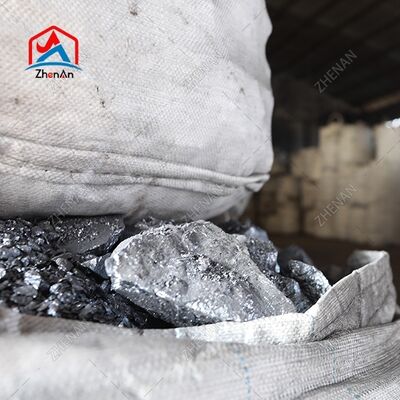
Metallurgical Silicon Metal 3303, 2202, and 1101
Metallurgical Silicon Metal 3303, 2202, and 1101 are high-purity industrial silicon grades extensively used in chemical manufacturing, metallurgical reduction, aluminum alloy production, polysilicon processing, and advanced materials industries. These grades feature strict control of iron (Fe), aluminum (Al), and calcium (Ca) impurities, making them ideal for applications requiring stable chemical composition and consistent performance.
As a critical raw material for silicone chemicals, photovoltaic materials, and metallurgical processing, silicon metal plays an essential role in modern manufacturing. Higher-purity grades such as 2202 and 1101 are increasingly demanded by industries seeking improved process efficiency, lower contamination levels, and superior product quality.
What Is Silicon Metal?
Silicon Metal, commonly known as Industrial Silicon or Metallurgical Silicon, is produced by reducing high-purity quartz (SiO₂) with carbonaceous reducing agents in submerged arc furnaces operating at temperatures above 2,000°C.
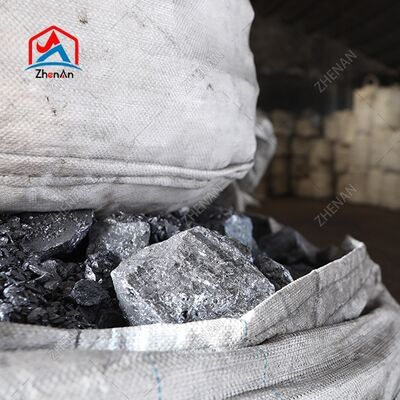
The finished product typically contains between 98.5% and 99.8% silicon, with controlled amounts of iron, aluminum, calcium, titanium, and trace elements. The material appears as a silver-gray metallic solid with high melting temperature, excellent oxidation resistance, and strong chemical activity.
Silicon metal serves as the primary raw material for silicone compounds, polysilicon, aluminum alloys, and numerous metallurgical processes.
Production Process
The production of silicon metal involves carbothermic reduction of quartz in electric arc furnaces.
Primary Raw Materials:
- High-purity quartz
- Petroleum coke
- Coal
- Wood chips
- Low-ash carbon reducing agents
During smelting, silicon dioxide reacts with carbon to form elemental silicon. The molten silicon is then refined, cast, crushed, screened, and packaged according to customer specifications.
The quality of quartz, furnace operation, and refining procedures directly affect impurity levels and determine the final silicon metal grade.
Grade Classification
Silicon metal grades are identified by impurity limits rather than silicon content alone. The numerical designation indicates the maximum allowable percentages of iron, aluminum, and calcium.
| Grade |
Si (%) Min |
Fe (%) Max |
Al (%) Max |
Ca (%) Max |
Typical Application |
| 553 |
98.5 |
0.5 |
0.5 |
0.3 |
General aluminum industry |
| 441 |
99.0 |
0.4 |
0.4 |
0.1 |
Aluminum alloys and silicone chemicals |
| 3303 |
99.3 |
0.3 |
0.3 |
0.03 |
Chemical and metallurgical industries |
| 2202 |
99.5 |
0.2 |
0.2 |
0.02 |
Silicone chemicals and polysilicon |
| 1101 |
99.7 |
0.1 |
0.1 |
0.01 |
High-purity chemical applications |
Technical Specifications
| Parameter |
3303 |
2202 |
1101 |
| Silicon (Si) |
≥99.3% |
≥99.5% |
≥99.7% |
| Iron (Fe) |
≤0.30% |
≤0.20% |
≤0.10% |
| Aluminum (Al) |
≤0.30% |
≤0.20% |
≤0.10% |
| Calcium (Ca) |
≤0.03% |
≤0.02% |
≤0.01% |
| Appearance |
Silver-gray metallic lump |
| Melting Point |
1414°C |
| Density |
2.33 g/cm³ |
| Available Sizes |
0-1mm, 1-3mm, 3-10mm, 10-50mm, 10-100mm |
Chemical Industry Applications
The chemical industry is one of the largest consumers of high-purity silicon metal.
Silicon Metal 2202 and 1101 are commonly used as feedstock for producing chlorosilanes and organosilicon compounds. These intermediates are further processed into silicone rubber, silicone oil, silicone sealants, silicone resins, and specialty silicone products.
Because impurities can affect reaction efficiency and product purity, chemical manufacturers often prefer higher-grade silicon metal with lower Fe, Al, and Ca content.
Silicone-based products are widely used in construction, electronics, automotive manufacturing, medical devices, and renewable energy industries.
Metallurgical Applications
In metallurgical industries, silicon metal functions as both a reducing agent and alloying material.
It is used in:
- Aluminum alloy manufacturing
- Special steel production
- Magnesium smelting
- Titanium reduction processes
- Foundry alloy production
- Refractory material manufacturing
Silicon contributes to improved oxidation resistance, enhanced mechanical properties, and better high-temperature performance in metallurgical systems.
Grade Comparison: 3303 vs 2202 vs 1101
| Property |
3303 |
2202 |
1101 |
| Purity Level |
High |
Very High |
Ultra High |
| Chemical Industry |
Good |
Excellent |
Excellent |
| Metallurgical Reduction |
Excellent |
Excellent |
Good |
| Polysilicon Production |
Limited |
Suitable |
Preferred |
| Cost Efficiency |
Highest |
Good |
Premium |
Silicon Metal vs Ferrosilicon
| Property |
Silicon Metal |
Ferrosilicon |
| Silicon Content |
98.5%-99.8% |
45%-75% |
| Iron Content |
Very Low |
High |
| Main Industry |
Chemical, Aluminum, Solar |
Steelmaking |
| Polysilicon Production |
Suitable |
Not Suitable |
| Silicone Production |
Suitable |
Not Suitable |
Although both materials contain silicon, silicon metal offers significantly higher purity and is required for chemical and photovoltaic industries, while ferrosilicon is primarily used as a deoxidizer and alloying agent in steelmaking.
Purchasing Considerations
When selecting silicon metal, buyers should evaluate several key factors:
- Required purity grade
- Fe, Al, and Ca impurity limits
- Particle size distribution
- Application requirements
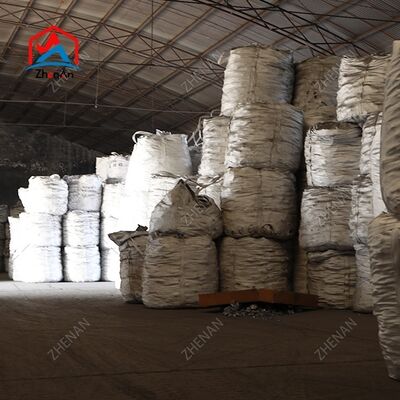
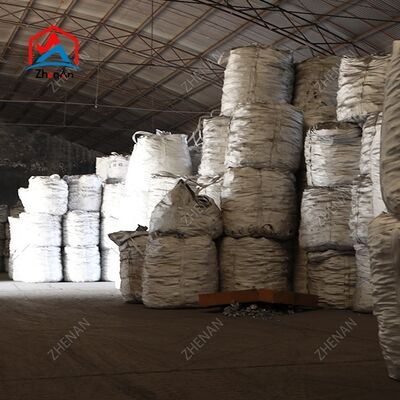
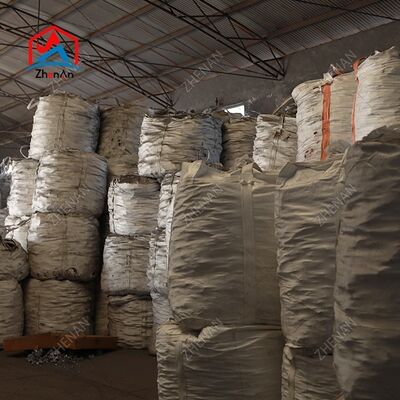
- Packaging method
- Certificate of Analysis (COA)
- Production capacity and supply stability
- Export experience and logistics support
Choosing the appropriate grade can improve process efficiency and reduce production costs in downstream manufacturing.
Why Choose ZhenAn Silicon Metal Supplier?
- 30+ Years of Metallurgical Materials Manufacturing Experience
- Stable Supply of 553, 441, 3303, 2202, and 1101 Grades
- Strict Chemical Composition Control
- Custom Particle Size Processing
- Global Export Experience
- Third-Party Inspection Available
- Technical Support for Industrial Applications
Frequently Asked Questions
What is the difference between Silicon Metal 3303 and 2202?
Silicon Metal 2202 contains lower impurity levels and higher silicon purity than 3303, making it more suitable for silicone chemical and polysilicon production.
What does Silicon Metal 1101 mean?
The designation indicates maximum impurity levels of 0.1% Fe, 0.1% Al, and 0.01% Ca, resulting in very high silicon purity.
Which silicon metal grade is best for silicone production?
Grades 2202 and 1101 are generally preferred because of their low impurity content.
Can silicon metal be used as a reducing agent?
Yes. Silicon metal is widely used in metallurgical reduction processes and specialty alloy production.
What is the melting point of silicon metal?
The melting point of pure silicon is approximately 1414°C.
What particle sizes are available?
Common sizes include 0-1mm, 1-3mm, 3-10mm, 10-50mm, and 10-100mm.
How is silicon metal different from polysilicon?
Silicon metal is a raw material used to manufacture polysilicon. Polysilicon undergoes additional purification processes to achieve much higher purity levels.
Which industries consume the most silicon metal?
The chemical, aluminum, photovoltaic, semiconductor, and metallurgical industries are the largest consumers.
Can customized specifications be supplied?
Yes. Chemical composition, particle size, and packaging can be customized according to project requirements.
How can I obtain a quotation?
Please provide the required grade, quantity, particle size, and destination port for a customized offer.


 Your message must be between 20-3,000 characters!
 English