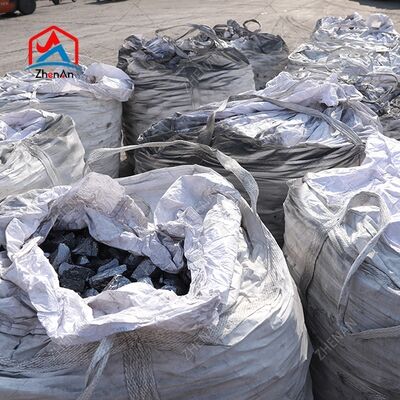
Silicon Metal 3303 2202 1101 Lump – High Purity Industrial Grade Si for Alloy Production, Chemical Processing & Metallurgy
What Silicon Metal 3303 / 2202 / 1101 is and why buyers choose it
Silicon Metal 3303, 2202, and 1101 are three core industrial silicon grades used across alloy production, chemical processing, and metallurgy applications. They differ mainly in silicon purity and impurity control, which directly affects melting stability, reaction efficiency, and final product quality.
These materials are widely purchased in bulk because they provide a reliable silicon source for aluminum alloys, ferrosilicon production, chemical synthesis, and casting industries, with each grade matching different cost-performance requirements.
Chemical and physical specification for industrial procurement
| Item | Silicon Metal 3303 | Silicon Metal 2202 | Silicon Metal 1101 |
|---|
| Silicon Content (Si) | ≥ 99.3% | ≥ 99.0% | ≥ 99.0% |
| Grade Type | High Purity | Standard Industrial | Economy Grade |
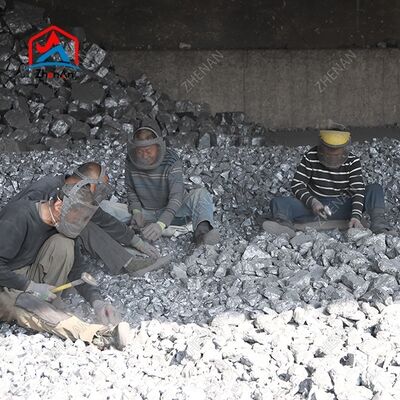
| Lump Size | 10–50 mm / customized | 10–50 mm / customized | 10–50 mm / customized |
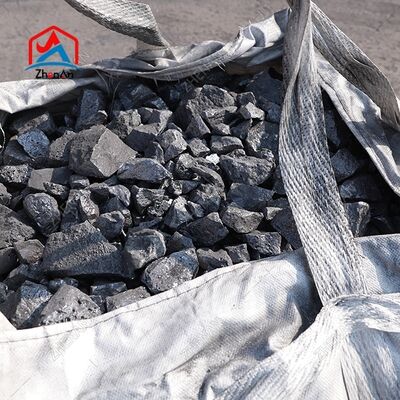
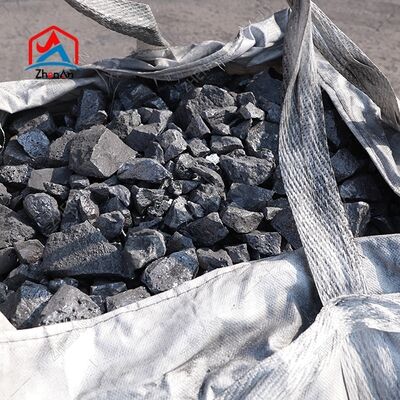
| Appearance | Silver-gray metallic lumps | Metallic gray lumps | Dark gray lumps |
| Impurity Level | Very low Fe / Al / Ca | Controlled impurities | Higher impurity tolerance |
| Application Focus | Chemical industry, high-end alloys | Metallurgy, casting, aluminum alloys | Cost-sensitive alloy production |
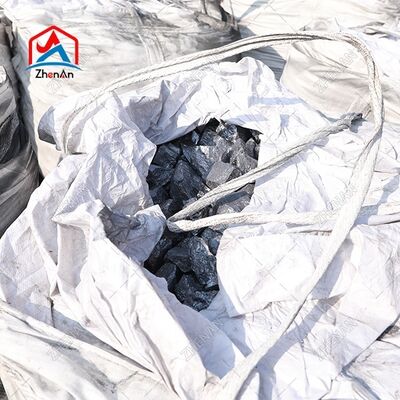
| Packaging | 1MT jumbo bag | 1MT jumbo bag | 1MT jumbo bag |
How Silicon Metal performs in alloy production, metallurgy, and chemical processing
Silicon metal is a fundamental raw material in modern industrial production due to its ability to improve mechanical strength, oxidation resistance, and thermal stability in metal systems.
In alloy production, silicon metal is added to aluminum and other base metals to enhance hardness, corrosion resistance, and casting performance. It improves molten metal fluidity, reduces shrinkage defects, and stabilizes final alloy structure. Grade 2202 is widely used here due to its balance of performance and cost.
In metallurgy, silicon metal acts as a strong deoxidizing and alloying element, helping remove oxygen and improve steel cleanliness. This results in better structural integrity and more consistent metallurgical outcomes in large-scale production.
In chemical processing, high-purity grades such as 3303 are used as raw materials for producing silicones, silanes, and silicon-based compounds. The stability of silicon content and low impurity levels are critical to ensure reaction efficiency and product purity.
The lump form (10–50mm) ensures stable furnace feeding, controlled melting behavior, and reduced dust loss, making it suitable for continuous industrial smelting operations.
Grade comparison based on real industrial usage
Silicon Metal 3303 vs 2202
Silicon Metal 3303 is a higher-purity grade with tighter impurity control, making it suitable for chemical synthesis and advanced alloy systems where stability and reaction precision are critical.
Silicon Metal 2202, on the other hand, is designed for general metallurgy and aluminum casting industries, where production volume and cost efficiency are more important than ultra-high purity.
➡ 3303 prioritizes chemical stability and purity, while 2202 focuses on industrial scalability and cost balance.
Silicon Metal 3303 vs 1101
Silicon Metal 1101 is a more economical grade with higher allowable impurity levels, typically used in basic alloy production and cost-driven industrial applications.
Compared to 1101, 3303 offers significantly better purity control, reaction stability, and consistency in chemical processes, making it suitable for high-end manufacturing environments.
➡ 3303 is performance-driven, while 1101 is cost-driven for basic industrial use.
Why these silicon metal grades are widely used in global supply chains
The 3303 / 2202 / 1101 silicon metal system covers the full spectrum of industrial demand—from high-end chemical processing to large-scale metallurgical production. This structure allows buyers to select the most suitable grade based on purity requirements, cost constraints, and production goals.
Among them, 2202 is the most widely traded grade globally due to its balanced performance and stable availability.
Buyer-focused FAQ for silicon metal procurement
1. What is the main difference between 3303, 2202, and 1101?
The main difference is silicon purity and impurity control. 3303 is high purity, 2202 is standard industrial grade, and 1101 is an economy grade with higher impurity tolerance.
2. Which silicon metal grade is best for aluminum alloy production?
2202 is the most commonly used because it provides stable melting behavior, good alloy strength, and cost efficiency for large-scale production.
3. Why is 3303 important in chemical processing?
Because chemical production requires very stable silicon content and low impurities to ensure consistent reaction efficiency and high-purity final products.
4. Can 1101 grade be used in metallurgy applications?
Yes, but mainly in cost-sensitive applications where strict quality control is not required. It is not suitable for high-end alloy production.
5. What is the standard size for silicon metal supply?
The most common specification is 10–50mm lumps, which ensures efficient furnace feeding and stable melting performance.
6. How is silicon metal packaged for export shipments?
It is typically packed in 1-ton jumbo bags, with customized packaging available based on customer logistics and storage requirements.
Stable industrial silicon supply for long-term procurement
We supply Silicon Metal 3303, 2202, and 1101 with strict control over chemical composition and consistent batch quality. Our production system is designed for global bulk buyers in metallurgy, casting, aluminum alloy, and chemical industries, ensuring stable furnace performance and predictable material behavior.
We support long-term supply contracts, flexible specifications, and fast international delivery to meet industrial procurement requirements.


 Your message must be between 20-3,000 characters!
 English