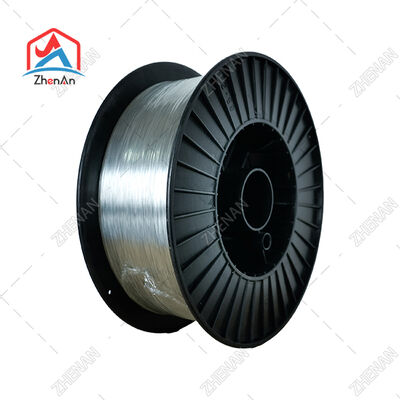
Why Is 1.6mm Industrial Zinc Wire Critical for Cathodic Protection and Pipeline Coating?
What Makes 1.6mm Zinc Wire Ideal for Stable Feeding Corrosion Protection Systems?
- Diameter: 1.6mm precision industrial standard
- Surface: smooth, oxide-controlled finish
- Purity: 99.9%–99.995% zinc content
- Feeding Performance: stable wire feed in arc spray systems
- Application: cathodic protection, pipeline coating, steel corrosion control
- Form: spool / coil for automated spraying equipment
Why Is 1.6mm Zinc Wire Widely Used in Pipeline and Cathodic Protection Systems?
1.6mm zinc wire is one of the most widely used diameters in industrial corrosion protection because it provides an optimal balance between melting efficiency, feeding stability, and coating deposition rate.
In cathodic protection systems, zinc acts as a sacrificial anode. When applied onto steel pipelines or buried structures, it corrodes first, protecting the underlying steel from electrochemical degradation caused by soil moisture, water exposure, and industrial chemicals.
This makes 1.6mm zinc wire a preferred choice for:
- Long-distance pipeline protection
- Underground steel structures
- Water treatment facilities
- Industrial storage systems
What Are the Technical Specifications of 1.6mm Industrial Zinc Wire?
| Item |
Specification |
| Product Name |
Industrial Zinc Wire |
| Diameter |
1.6mm |
| Purity |
99.9% / 99.99% / 99.995% |
| Surface Condition |
Smooth, low-oxide |
| Density |
7.14 g/cm³ |
| Melting Point |
419.5°C |
| Feeding Type |
Arc spray / thermal spray compatible |
| Production Method |
Precision cold drawing |
| Coil Type |
Spool / industrial coil |
| Application |
Pipeline / cathodic protection / steel coating |
| Inspection |
SGS / BV / third-party testing |
| Packaging |
Moisture-proof export packaging |
| Customization |
Available (diameter, spool weight, purity) |
How Does 1.6mm Zinc Wire Improve Pipeline Corrosion Protection?
Pipeline corrosion is primarily caused by soil moisture, electrolytes, and oxygen penetration. Zinc wire provides active electrochemical protection, forming a protective layer that sacrifices itself instead of the steel pipeline.
During arc spraying, molten zinc is deposited onto the pipe surface, forming a dense metallic coating that provides:
- Long-term corrosion resistance in buried environments
- Protection against soil-induced electrochemical reactions
- Reduced maintenance frequency for pipeline systems
- Improved service life of steel infrastructure
This makes 1.6mm zinc wire a standard consumable in pipeline coating operations worldwide.
1.6mm Zinc Wire vs 1.2mm Zinc Wire
1.6mm Zinc Wire vs 1.2mm Zinc Wire
| Item |
1.2mm Zinc Wire |
1.6mm Zinc Wire |
| Feeding Stability |
Moderate |
Higher stability |
| Melting Rate |
Faster but less controlled |
Balanced and stable |
| Coating Thickness |
Thin layer tendency |
Uniform medium thickness |
| Equipment Compatibility |
Light-duty systems |
Industrial arc spray systems |
| Application Scope |
Small components |
Pipelines and large structures |
1.6mm zinc wire is preferred in industrial systems where consistent coating thickness and stable continuous operation are required.
1.6mm Zinc Wire vs 2.0mm Zinc Wire
1.6mm Zinc Wire vs 2.0mm Zinc Wire
| Item |
1.6mm Zinc Wire |
2.0mm Zinc Wire |
| Arc Energy Requirement |
Lower |
Higher |
| Spray Efficiency |
Balanced |
Higher deposition rate |
| Feeding Control |
Excellent |
Slightly heavier feed load |
| Application |
General industrial use |
Heavy-duty coating systems |
| Cost Efficiency |
More economical |
Higher consumption rate |
1.6mm wire is widely chosen for pipeline protection because it delivers stable performance with lower energy demand.
Why Is Surface Quality Important for 1.6mm Zinc Wire?
Surface quality directly affects arc stability and coating consistency. Poor surface condition leads to:
- Unstable arc ignition
- Irregular wire melting
- Spray interruptions
- Uneven coating structure
A smooth, oxide-controlled surface ensures:
- Continuous wire feeding
- Stable arc performance
- High deposition efficiency
- Reduced equipment wear
Can 1.6mm Zinc Wire Be Used for Cathodic Protection Systems?
Yes, 1.6mm zinc wire is extensively used in cathodic protection systems for pipelines, tanks, and buried steel structures.
It provides:
- Sacrificial anode protection
- Long-term corrosion resistance
- Stable electrochemical performance
- Compatibility with automated spraying systems
This makes it a core material in oil & gas and water infrastructure industries.
How Is Industrial Zinc Wire Packaged for Pipeline Projects?
Industrial zinc wire is supplied in:
- Heavy-duty spools for continuous feeding systems
- Moisture-proof wrapped coils
- Export-grade cartons with anti-oxidation protection
Proper packaging ensures:
- Stable wire quality during transport
- No oxidation or surface degradation
- Smooth feeding during field operations
Conclusion
1.6mm industrial zinc wire is a critical material for cathodic protection and pipeline coating systems. Its balanced diameter, stable feeding behavior, and strong corrosion resistance make it highly suitable for long-term infrastructure protection.
It is widely used in oil pipelines, underground steel systems, and industrial corrosion control projects where reliability is essential.
FAQ
Why Is 1.6mm Zinc Wire Common in Pipeline Protection?
Because it offers the best balance between feeding stability, melting control, and coating uniformity.
Can 1.6mm Zinc Wire Be Used in Underground Applications?
Yes, it is widely used in underground pipeline and buried steel protection systems.
What Purity Level Is Recommended for Industrial Zinc Wire?
99.9%–99.995% purity is recommended for stable corrosion protection performance.
Is 1.6mm Zinc Wire Compatible with Arc Spray Equipment?
Yes, it is fully compatible with standard arc spray systems used in industry.
How Does Zinc Wire Prevent Pipeline Corrosion?
It forms a sacrificial coating layer that corrodes instead of the steel pipeline.
What Is the Main Advantage of 1.6mm Over Other Sizes?
It provides optimal balance between feeding stability and coating efficiency for industrial use.


 Your message must be between 20-3,000 characters!
 English